Ribollita, or Italian Vegetable Soup.

This soup makes Minestrone look like the runt of the litter.  Ribollita is the older, wiser, ruggedly handsome older brother of Minestrone.  Minestrone doesn’t stand a chance in an arm wrestle.

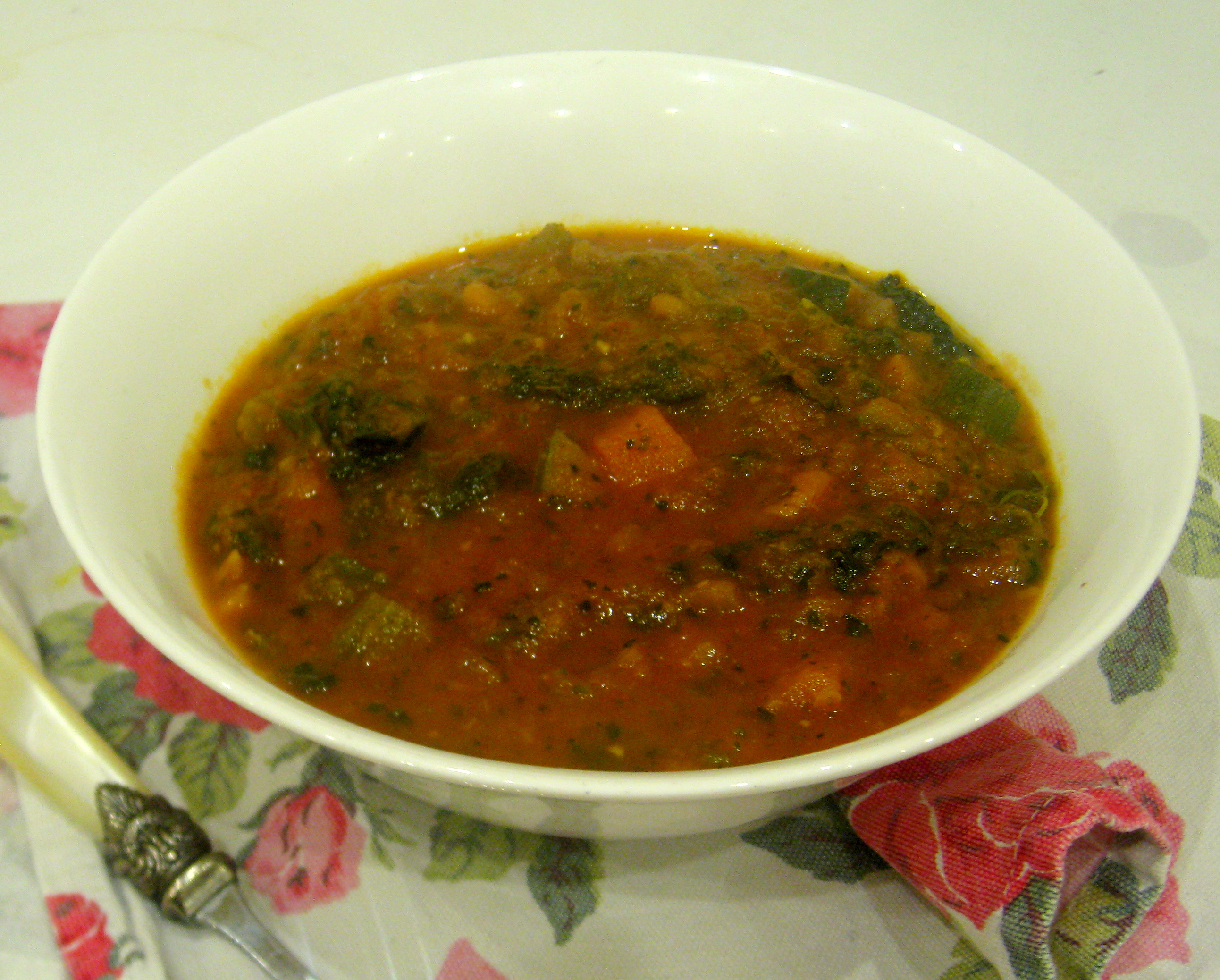
Ribollita is an Italian vegetable soup made with beans and, happily for me, no pasta.  It’s a great gluten-free meal because it doesn’t feel gluten-free, it just is.  In fact, I’ve been making this soup for a while now, long before I knew I was coeliac; in fact I got the recipe from one of the first non-baking recipe books I ever owned.  Just before, or shortly after, I started university my Mum gave me this little recipe book, called Hearty Soups (I’ve just had a look on Amazon and it seems you can only buy it in America, which is annoying, but it’s only one cent) and, though I’ve tried some of the other recipes, it’s the one for Robillita that I always return to.

It’s hard to put into words how great this soup is, partly, I think, because it seems to be a different beast every time I make it.  As a soup, it is in it’s nature to be adaptable, allowing me to add, for example, some kale if I’m feeling the need for superfoods, or to add more beans for a thicker texture.  However, there are some things about this soup which are always the same: the intense sweetness of the vegetables, particularly the carrots, that have been cooked slowly for a long time; the deeply appealing savouriness which comes from adding a Parmesan rind; the surprising heat from the chilli flakes, which I always forget that I’ve added.  And then, the texture, which is, for me, the reason why this soup is so superior to Minestrone (which will forever be, in my mind, the fake red, canned tomato flavoured water with floating “pasta” and one cube of courgette, that passed itself off as soup in the school canteen): Ribollita is thickened by pureeing a couple of ladles of soup (brilliant, actually, for coeliacs, as it means you don’t have to thicken with flour) which somehow makes me feel like I am eating an ancient food, something that has been made and eaten for centuries and not changed.

This soup is definitely better if cooked the day before you wish to eat it but this is not obligatory.  Do try to give it as much time as you can though: this is a slow cook and you have to embrace it.  If you try to rush it, you’ll get annoyed and it won’t taste nice.  So make it on a Sunday and reheat it on Monday night when you need some comforting (and then take it as lunch for the next few days: this recipe make a lot).  If you love it, it will love you right back.
IMG_2409

To serve 6:

1 onion, chopped

1 carrot, chopped

4 celery sticks, chopped

1 leek, chopped

3 courgettes, chopped

4 garlic cloves, crushed/chopped

1 tsp chilli flakes

3 sprigs worth of rosemary, leaves removed from stalks, chopped

3 sprigs of thyme, leaves removed from stalks

1 jar tomato passata (usually about 500ml)

2 knorr chicken stock pots (gluten-free, which is why I use them)

2 cans cannellini beans, drained and rinsed well

1 Parmesan rind

1 bag of cavolo nero, stalks removed then chopped/torn

1 bag of kale, stalks removed then chopped/torn (optional)

Start by heating some olive oil in a very large sauce or stock pan.  On a medium-low heat, cook the chopped onion, carrot and celery for about 5 minutes.
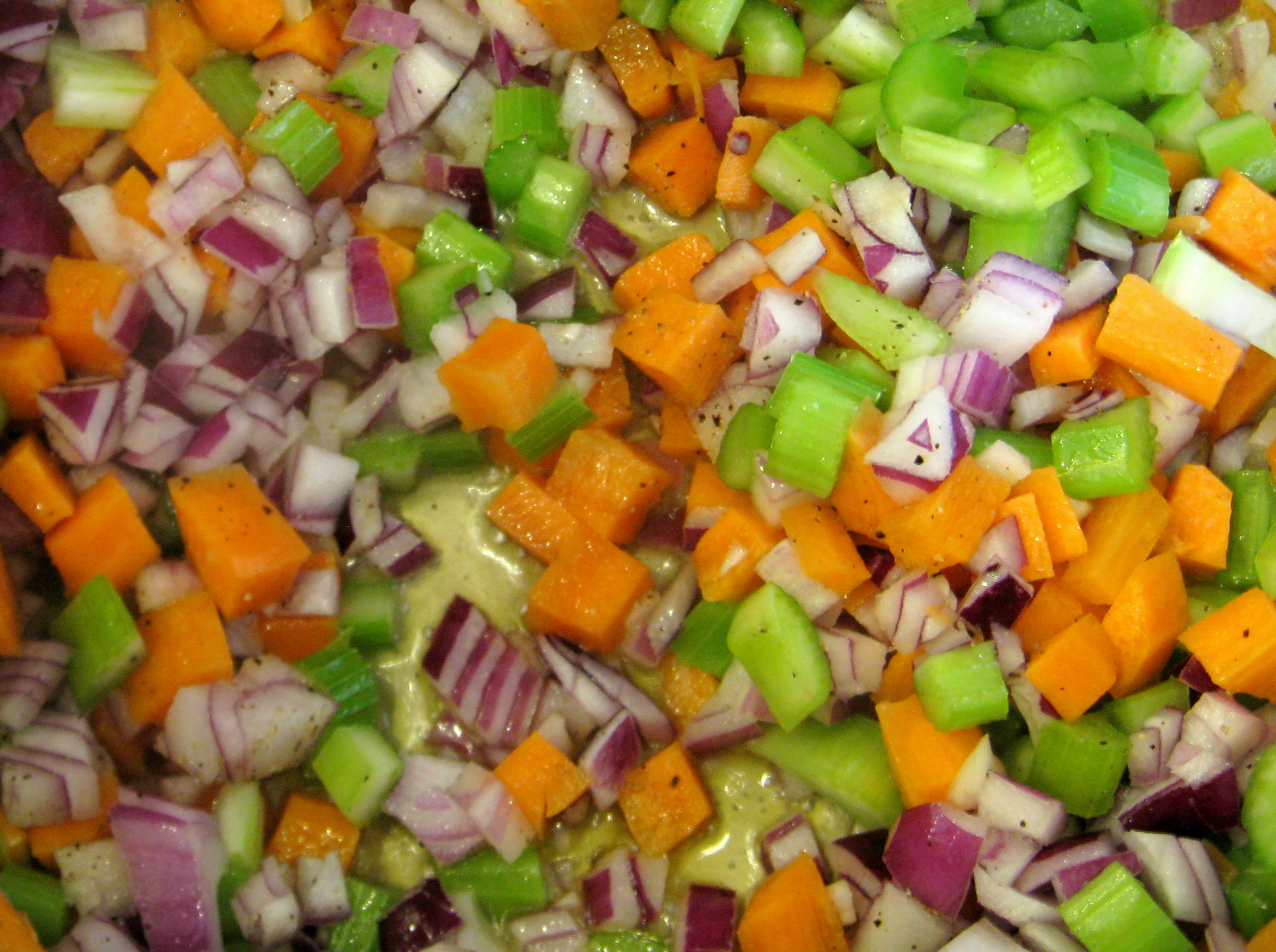
IMG_2359

Then add the chopped courgette and leek.  Cook for 5 minutes.
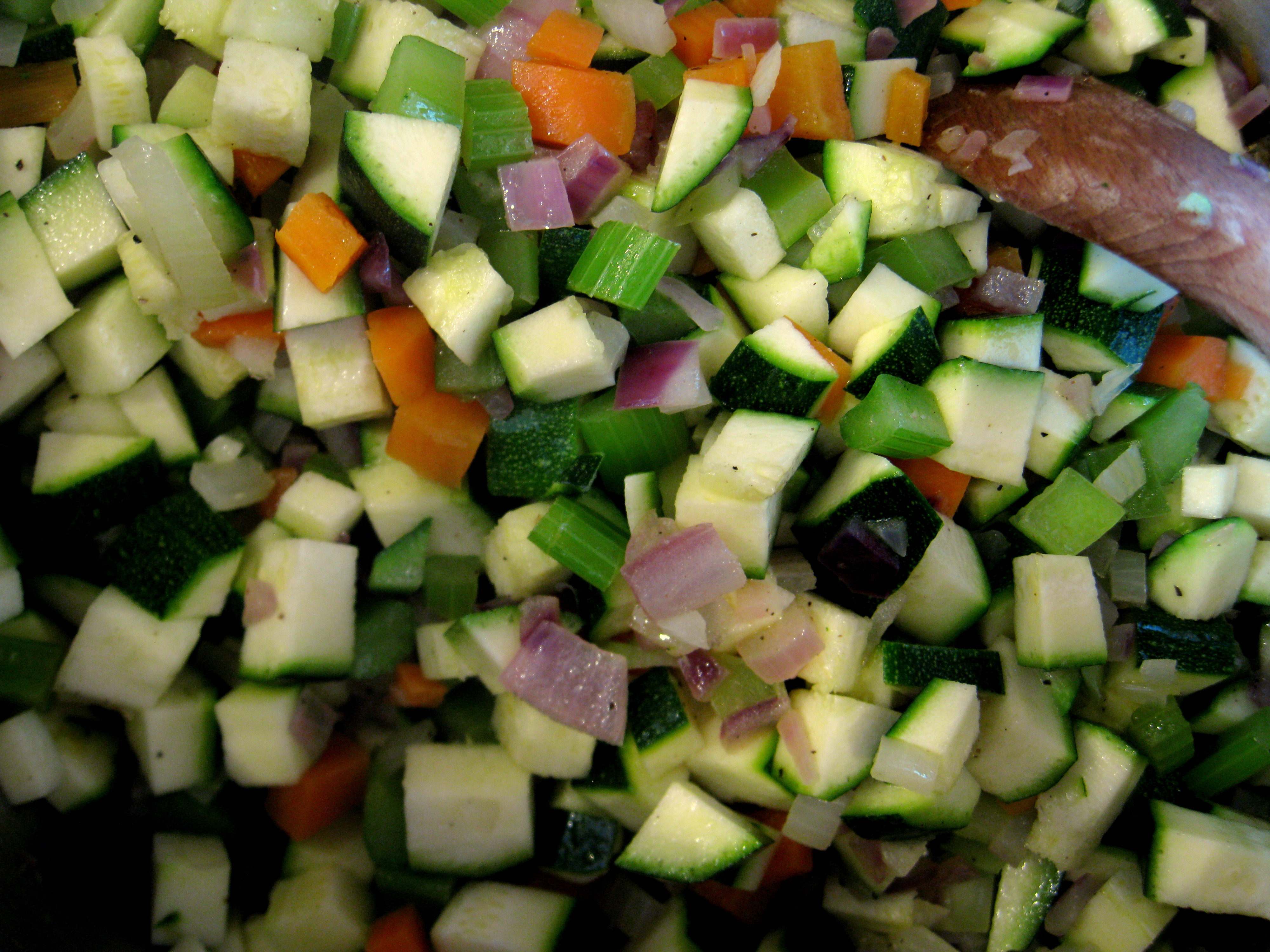
IMG_2365

Add the chopped garlic, chilli and chopped herbs (you could also use chopped sage) and fry on a medium-high heat for a few minutes, stirring to prevent anything from catching on the bottom of the pan.

Add the tomato passata, the stock pots (you can also use vegetable stock) and the drained and rinsed beans.  Fill the tomato passata jar with cold water and empty it into the soup, so as the vegetables and beans are well covered.
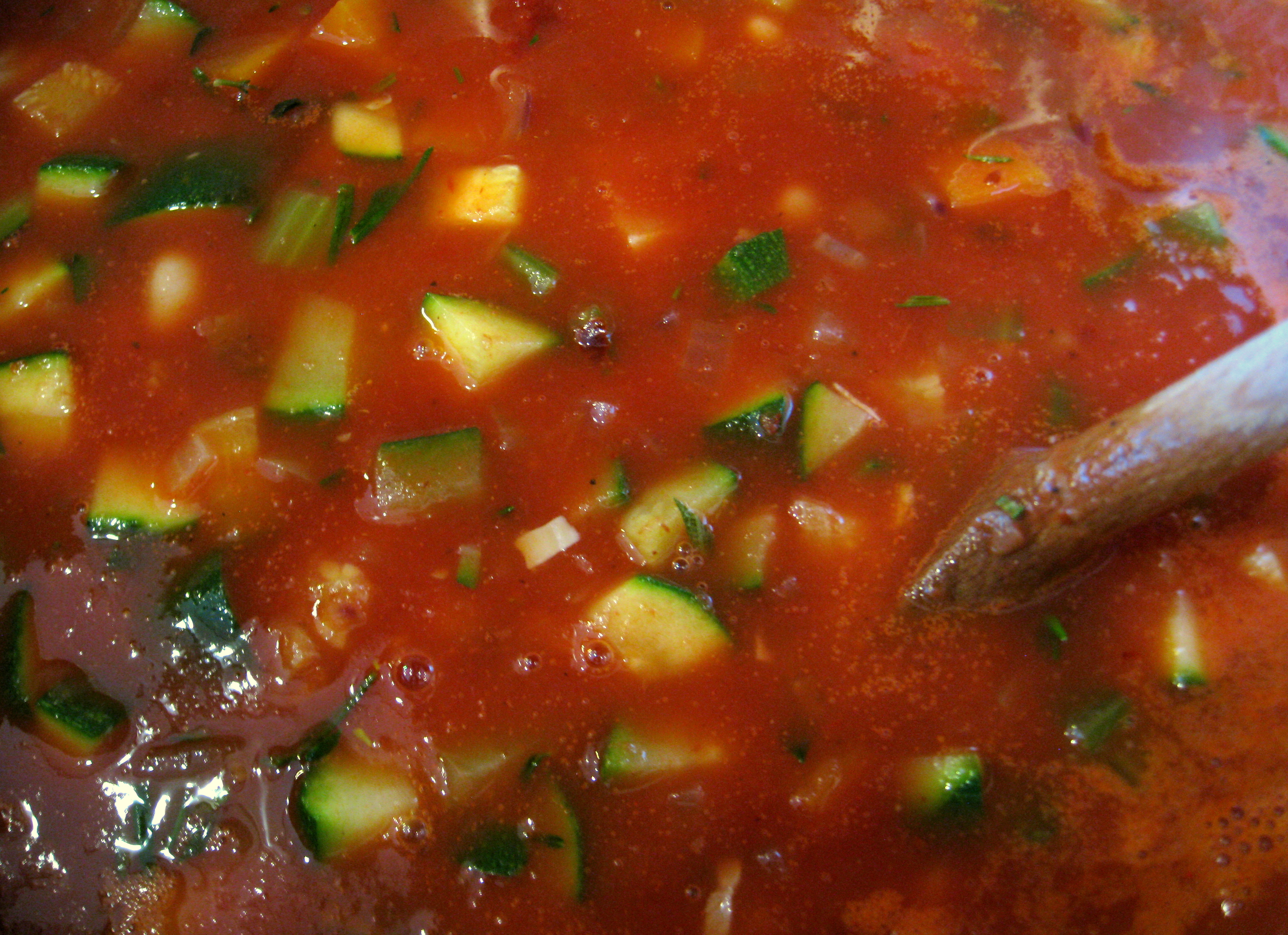
IMG_2370

Add the Parmesan rind.

Bring to the boil, then reduce the heat and simmer for 1hr 30mins, at least.

Turn off the soup and allow to cool.  Then either mash or puree, in a food processor, 3 ladles worth of soup; return the puree to the rest of the soup and stir to combine.

Reheat the soup and add the cavolo nero and kale, if using.  Allow to cook for 1hr.  Turn off and reheat when needed.
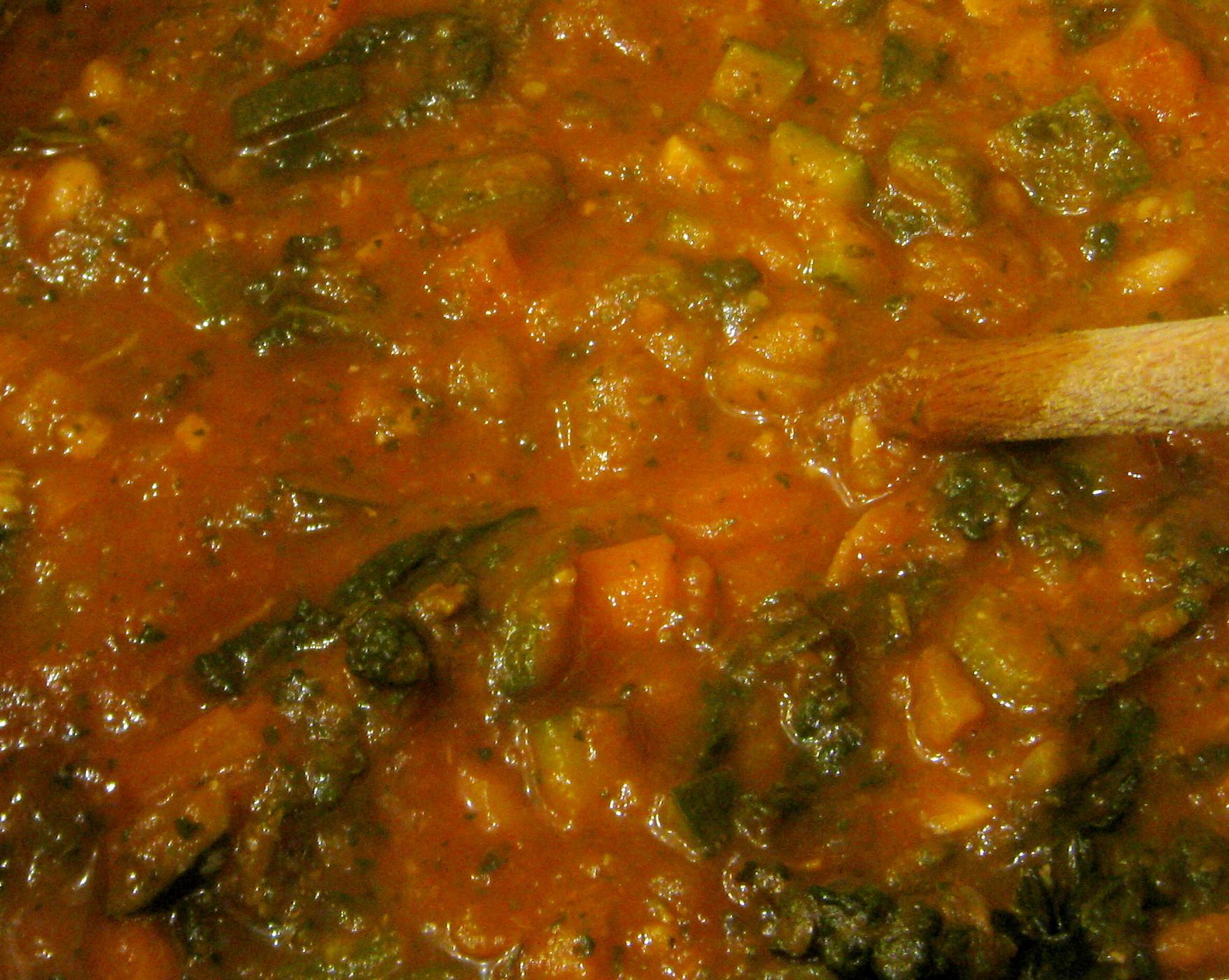
IMG_2406

NB: there’s a lot of stock in this soup, plus a Parmesan rind so go easy on the salt.  I wouldn’t add salt until near the end of cooking, once you’ve tasted the salt to confirm it needs it.

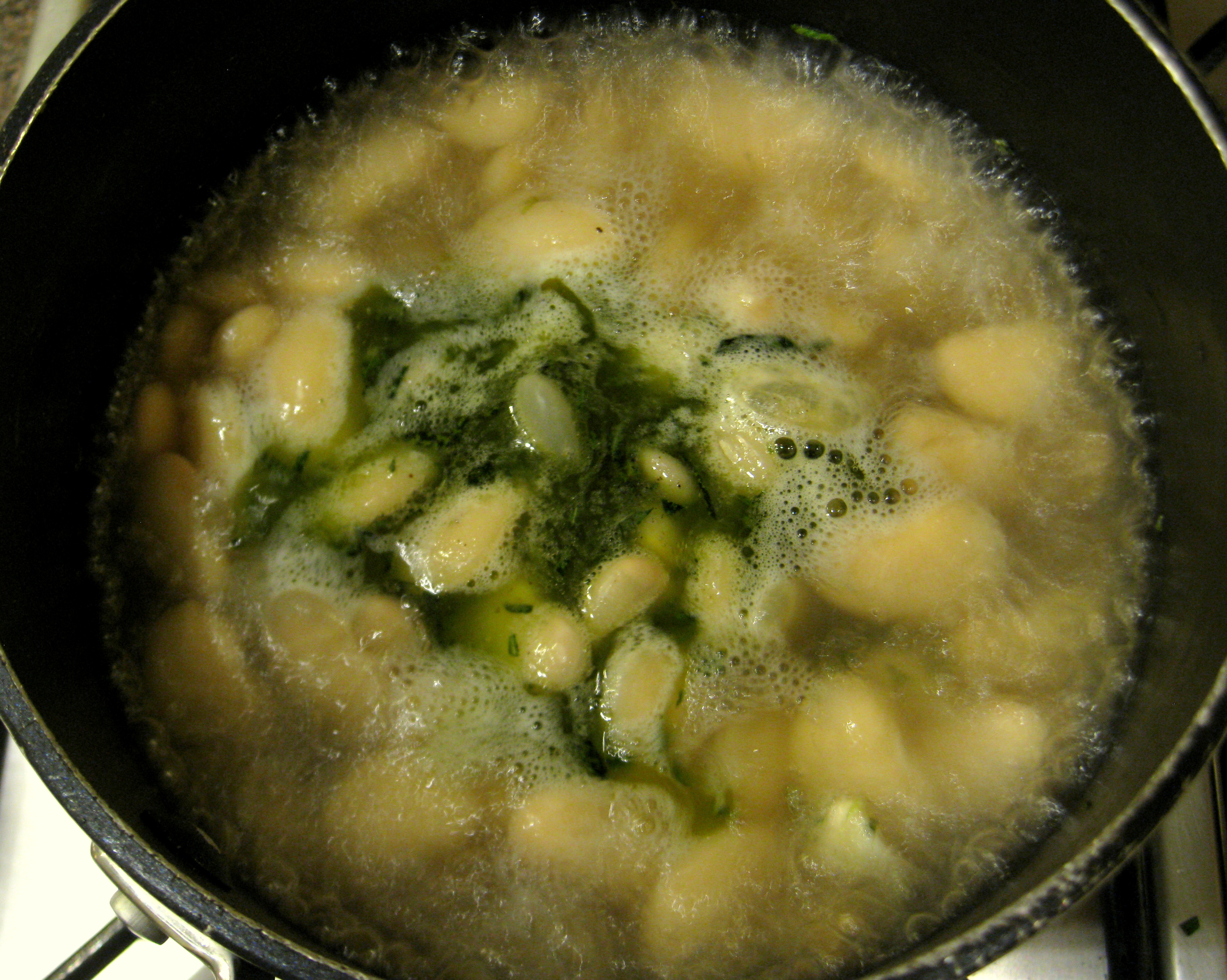
Bean Mash.

Beans are fantastic.  They are high in protein, almost fat-free… They are, in fact, ridiculously good for you.   But they can be a little dull to eat sometimes.  This recipe, for bean mash, is a perfect accompaniment almost any roasted, grilled or pan fried meat and also goes very well with salmon and it is a very far cry from dull.  It can be as simple or as jazzy as you like, depending on your tastes or the accompanying flavours.  I usually make it with lots of garlic and rosemary (I’ve actually adapted this recipe over time to make it as effortless as possible; now I don’t even chop the garlic, I just leave the cloves whole!), but you could add tomatoes, chilli, bay, anchovies, you could make it with chicken stock or vegetable stock, you could mash it or leave the beans whole or semi-mashed; it’s entirely up to you.

Here’s how you make it:

 IMG_2347

Start by heating some olive oil in a small sauce pan.  Then add whole garlic cloves (I use about three or four) and about three sprigs worth of chopped rosemary.  Then add one can of drained and well-rinsed butter beans (this will serve 2-3 people amply as a side dish).   Stir well.

IMG_2351

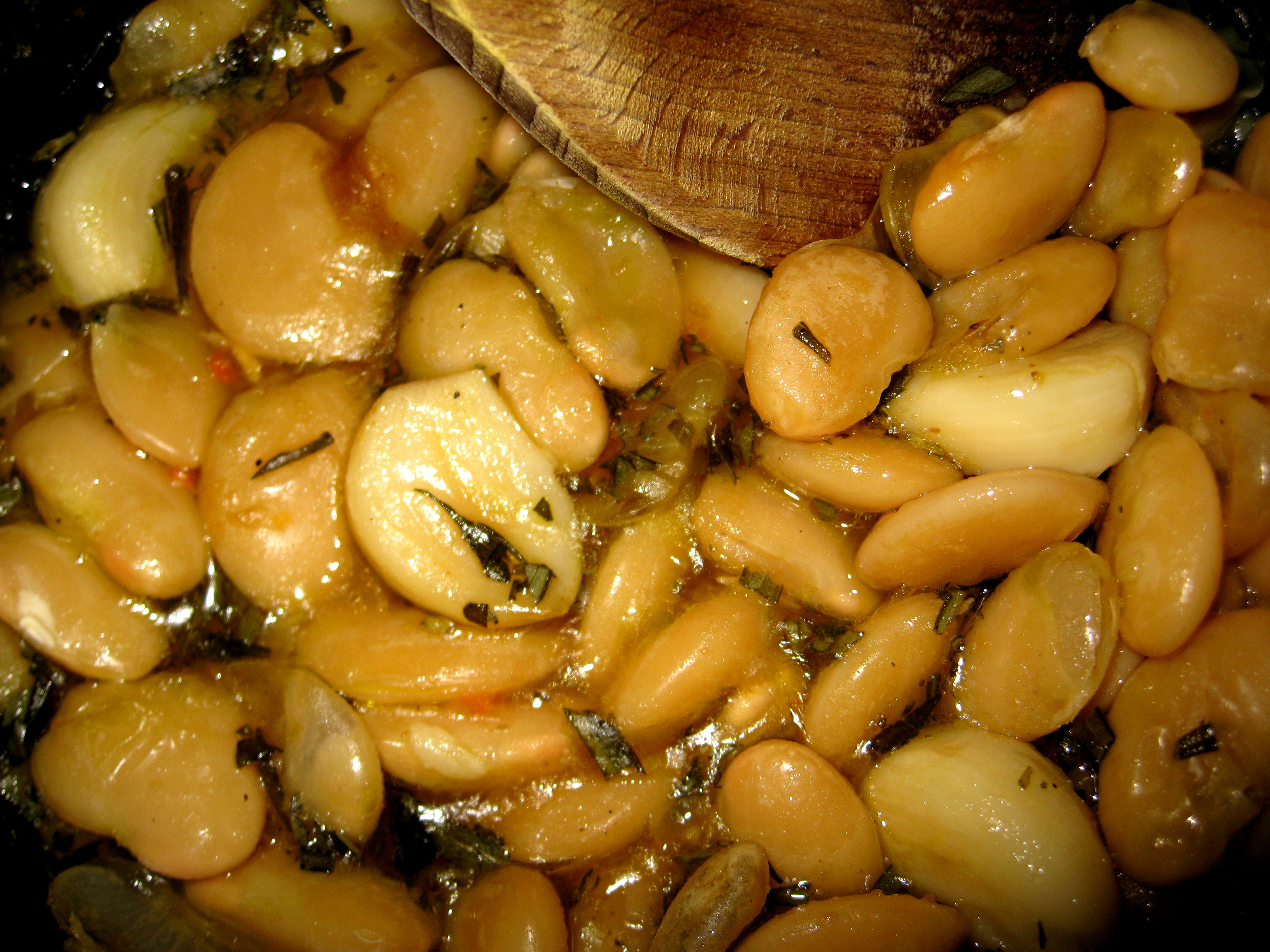
Now add enough gluten-free chicken or vegetable stock (I use the Knorr stock pots) to cover the beans.  Bring the beans to a boil, then lower the heat and simmer until the stock has reduced right down and the beans look brown and caramelized.  This can take up to half an hour depending on the amount of stock you added (quantities, in this recipe, are not so important, as you might have noticed).  You will end up with something that looks like this…IMG_2354

At this point you can turn the heat off and leave the beans until you are ready to mash them.  You can see the whole garlic cloves here: they will be mashed into the beans creating a lovely, mellow, garlicky flavour.

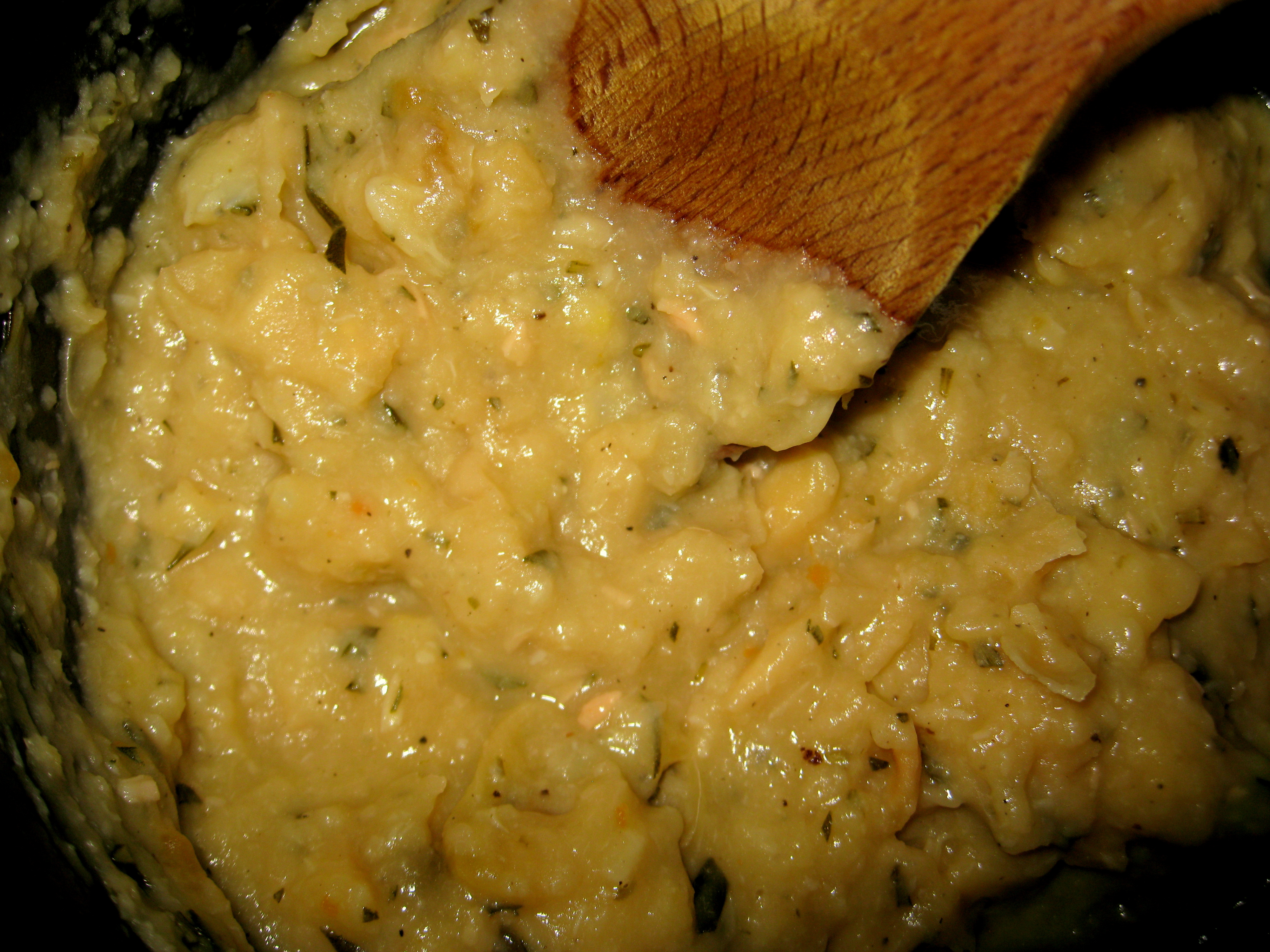
Next, mash the beans.

IMG_2355

Admittedly, this dish is not the most glamorous or visually appealing, but it tastes brilliant so who cares.  Taste the mash and adjust for seasoning; the stock, which has also been reduced, and therefore concentrated, can be very salty so don’t add salt until this point.  I rarely find I need it.

IMG_2358

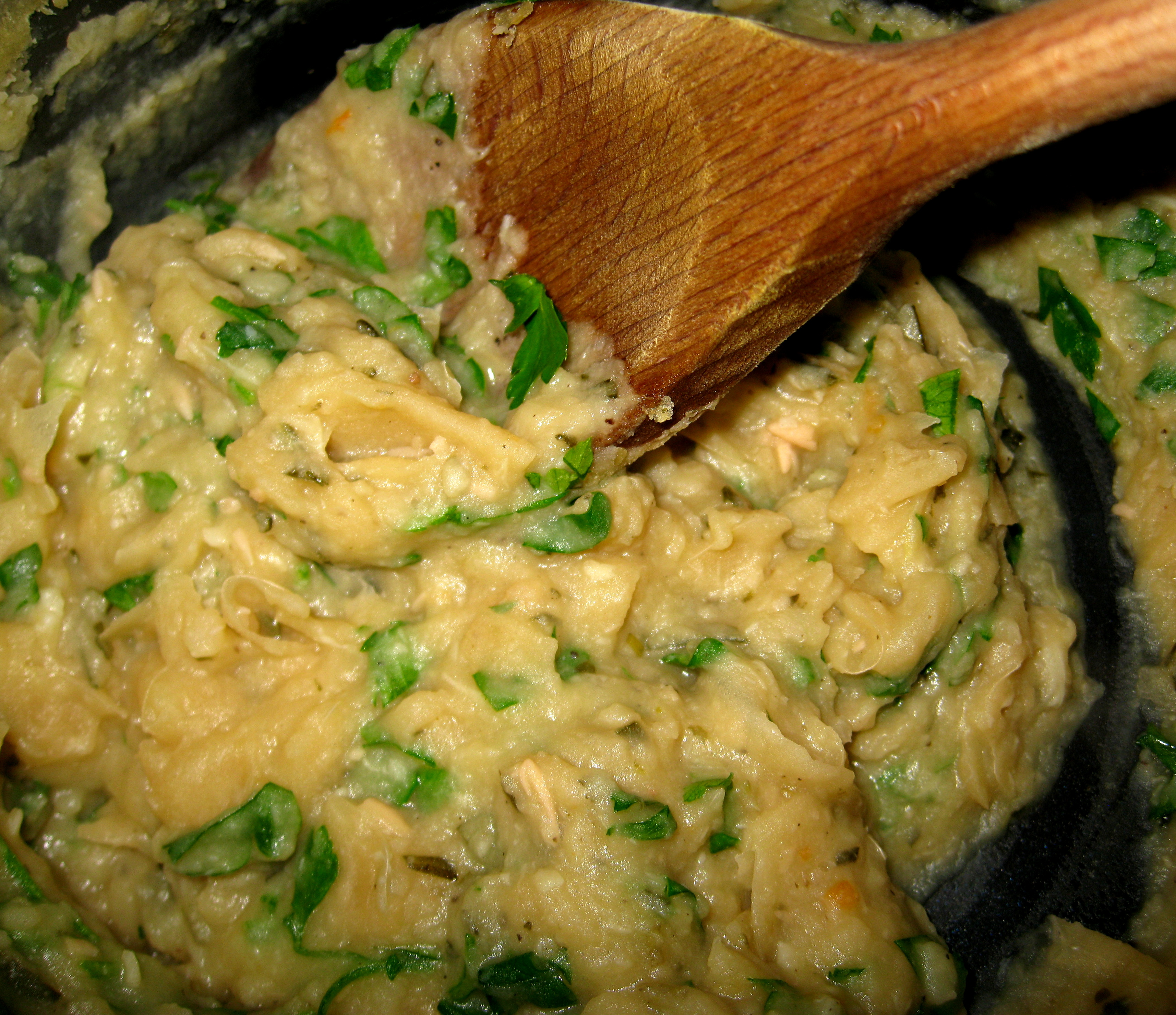
Finally add some chopped parsley and you’re ready to go.

This dish is simple and versatile and everyone I’ve ever made it for has wanted the recipe, and I bet you will too!

Lunchtime Tuna Salad.

IMG_2297

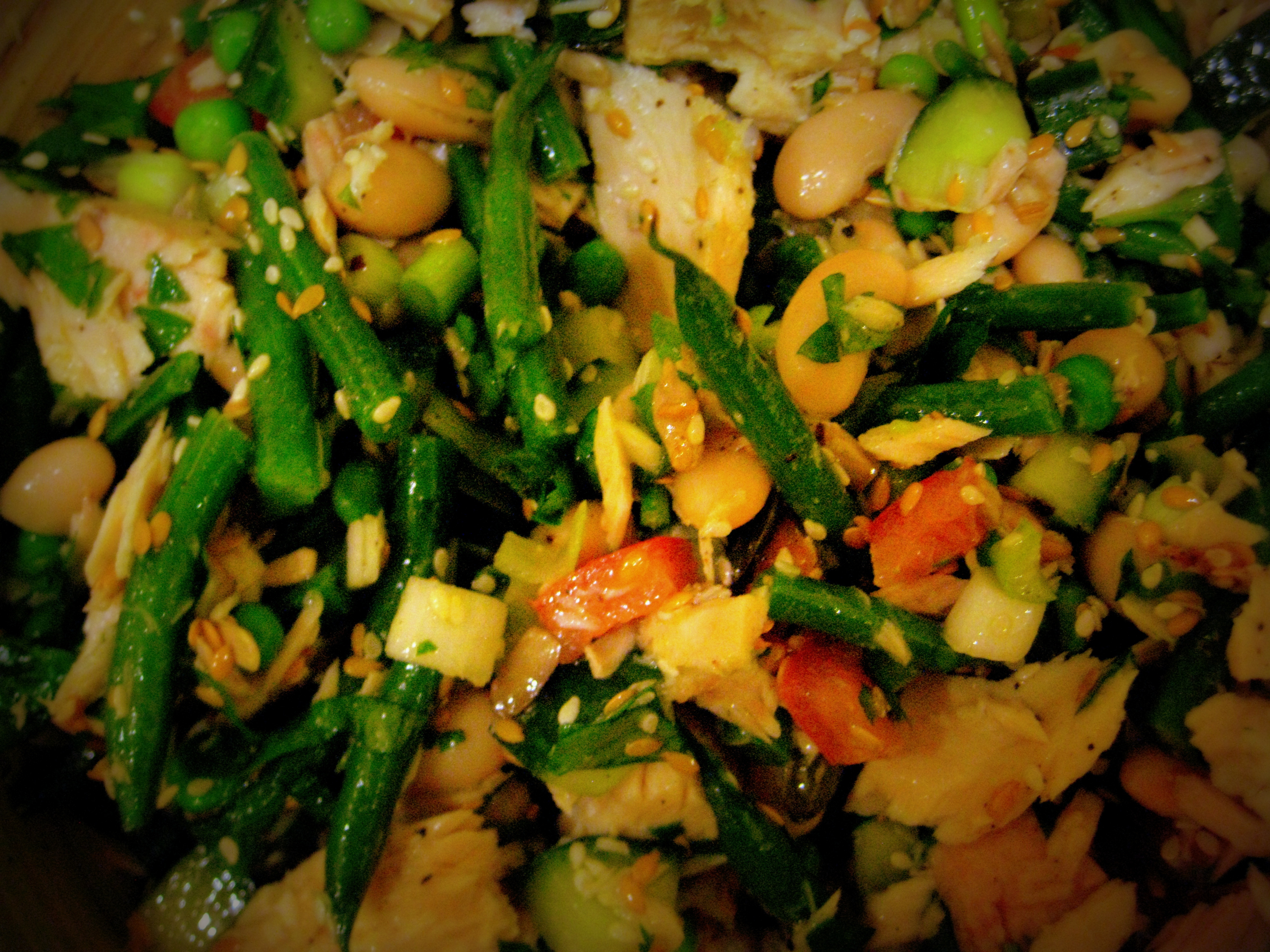
One of the issues with being coeliac, I’ve found, is what to do for a work day lunch.  Before I was diagnosed I wouldn’t even think about my lunch until I was about to make it; I’d just make some scrambled eggs on toast or some mashed avocado on toast or whatever on toast.  But, no more.  Now, every evening I must plan what I’m going to bring to work for lunch the next day.  Although I work in a cafe, I can’t risk making my food there because we prepare a lot of sandwiches and, or course, I do a lot of baking, so the risk of contaminating my food with wheat flour or bread would be too high.  Usually I bring in leftovers, which is simple enough, but what about those days when you’ve gone out for supper, got a takeaway or been to a friend’s house?  Whatever it is has to be filling, and keep me full for a while (being a hungry coeliac in a sandwich shop is a little like being lost at sea… water, water everywhere…) and I believe I’ve got just the thing: a simple, healthy, tuna and bean salad.

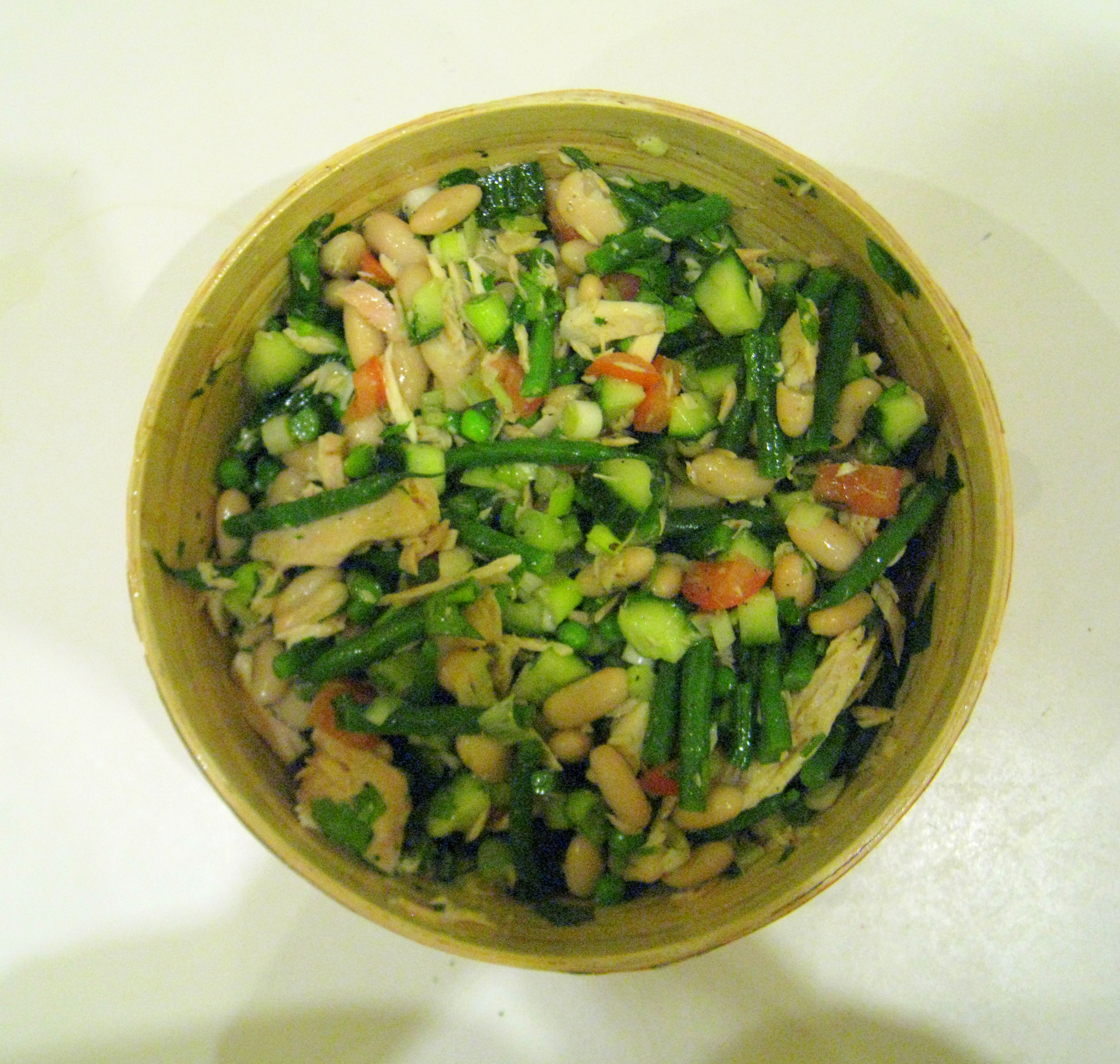
I started with some really nice canned tuna, not the kind that smells like cat food, and some cannellini beans, although you could use any kind of canned bean you like (butter beans, flageolet, kidney beans, etc).  After that it was really a matter of what I could find in the fridge that would be appropriate: I had some green beans, which I cut into thirds and boiled for about 3 minutes before draining and running under cold water, and some spring onions, a tomato and some cucumber.  I chopped up all the veg and mixed it up with the beans and tuna.  Finally, I added some chopped parsley, some defrosted peas, salt, pepper, garlic olive oil, lemon juice and a sprinkle of mixed seeds.  Job done.

This literally took me ten minutes.  And it made loads so now I have lunch for three days, easily, unless my boyfriend gets his hands on it.  That’s the other great thing about this sort of gluten-free cooking: it doesn’t feel gluten-free, like a gluten-free sandwich or gluten-free pasta would, so everyone in the house can enjoy it.  It is delicious, healthy and also happens not to contain wheat.  It certainly ticks all my boxes!

IMG_2303

Other Carbs.

IMG_2290

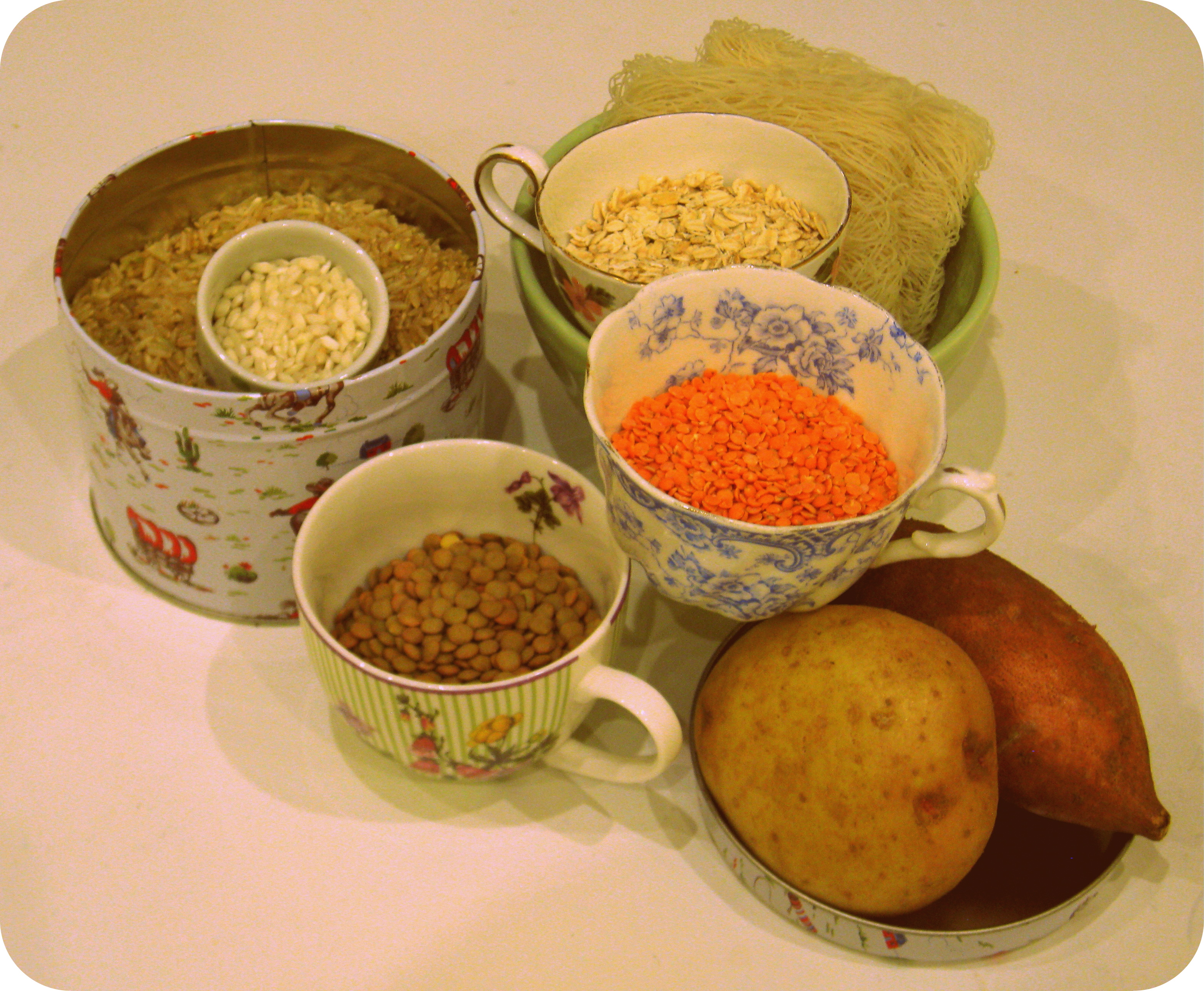
So I’ve been looking into alternative carbohydrates.  I love pasta and bread so cutting them out will be something of an ordeal but I’m trying to stay positive and remember that no pasta means more mash potato.  I never eat mash, but now I can eat it all the time (well, not all the time, obviously, but more than I used to).   Also, whilst I can never again have pasta or pizza (unless I have the gluten-free pastas or pizza bases which, I have been reliably told by a nutritionist, may as well be called “sugar that looks like pasta”) I can have risotto, one of my favourite things; really, all this just means that I will no longer be plagued with indecision when confronted with a menu over two pages long.  I’ll have so much free time! Maybe I’ll start a rock band.

There are so many alternatives to wheat that we coeliacs really have no reason at all to resort to the processed rubbish that is marketed as gluten-free bread is pasta.  That stuff is so far far removed from being bread it may as well have gills and live in the sea.  For example, there’s potatoes, of course, but also sweet potatoes, which are delicious mashed or cut into wedges and baked.  And they cook much faster than regular potatoes so perfect for a speedy baked spud.  And of course, there’s rice, loads of rice, countless kinds of rice.  I’ve got some brown rice here and some risotto rice (I’m having fish risotto tonight) but there’s wild rice, red rice, jasmine rice, long-grain rice, the list goes on and on.  There’s also lentils, which are perfect in curries and soups and puy lentils go really well with salmon.

Oats are tricky.  I’ve been told to steer clear but there are gluten-free oats out there that have been protected from wheat contamination so you can still have porridge in the morning if you trust what the back of the box says.

In addition there’s also quinoa, buckwheat, beans, so many kinds of beans which also count of protein so they’re perfect for staying fuller for longer (try a salad with tuna and cannellini or kidney beans for lunch).  Anyway, you get the point.  There is absolutely no need to settle for pasta or bread that tastes like sweet corn or sponge when there are so many other ways of eating filling, satisfying, gluten-free meals.