Simple Salmon Lunch.

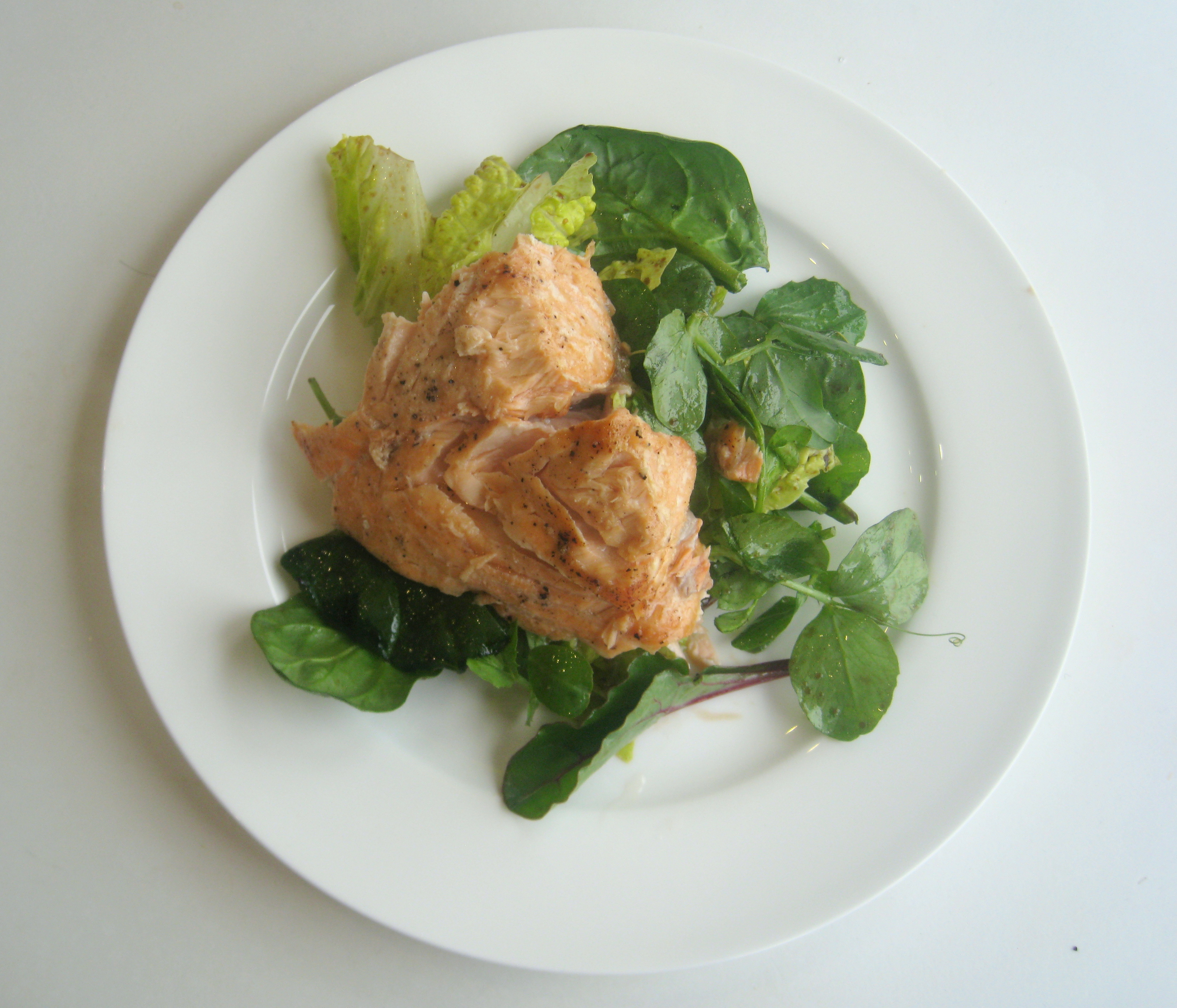
For a protein-rich lunch for 2-3, simply place a piece of salmon fillet, weighing about 500g, skin side up in a roasting tray. Coat in olive oil, salt and pepper and add a few slices of lemon to the tray, if you like. Bake in the oven for 20-30 minutes at 180°C fan.

When the salmon is ready, peel off the skin and scrape of the grey flesh underneath (there’s nothing wrong with the grey buts, they just don’t look nice). Divide the salmon into rough, rustic portions. Pile onto plates with a fresh, green salad of Romaine lettuce, lambs lettuce and chives, dressed in extra virgin olive oil and a little Balsamic vinegar, for an early taste of spring.

Summer doesn't seem quite so far away when eating this simple and elegant lunch dish.

Summer doesn’t seem quite so far away when eating this simple and elegant lunch dish.

The Mighty Baked Potato.

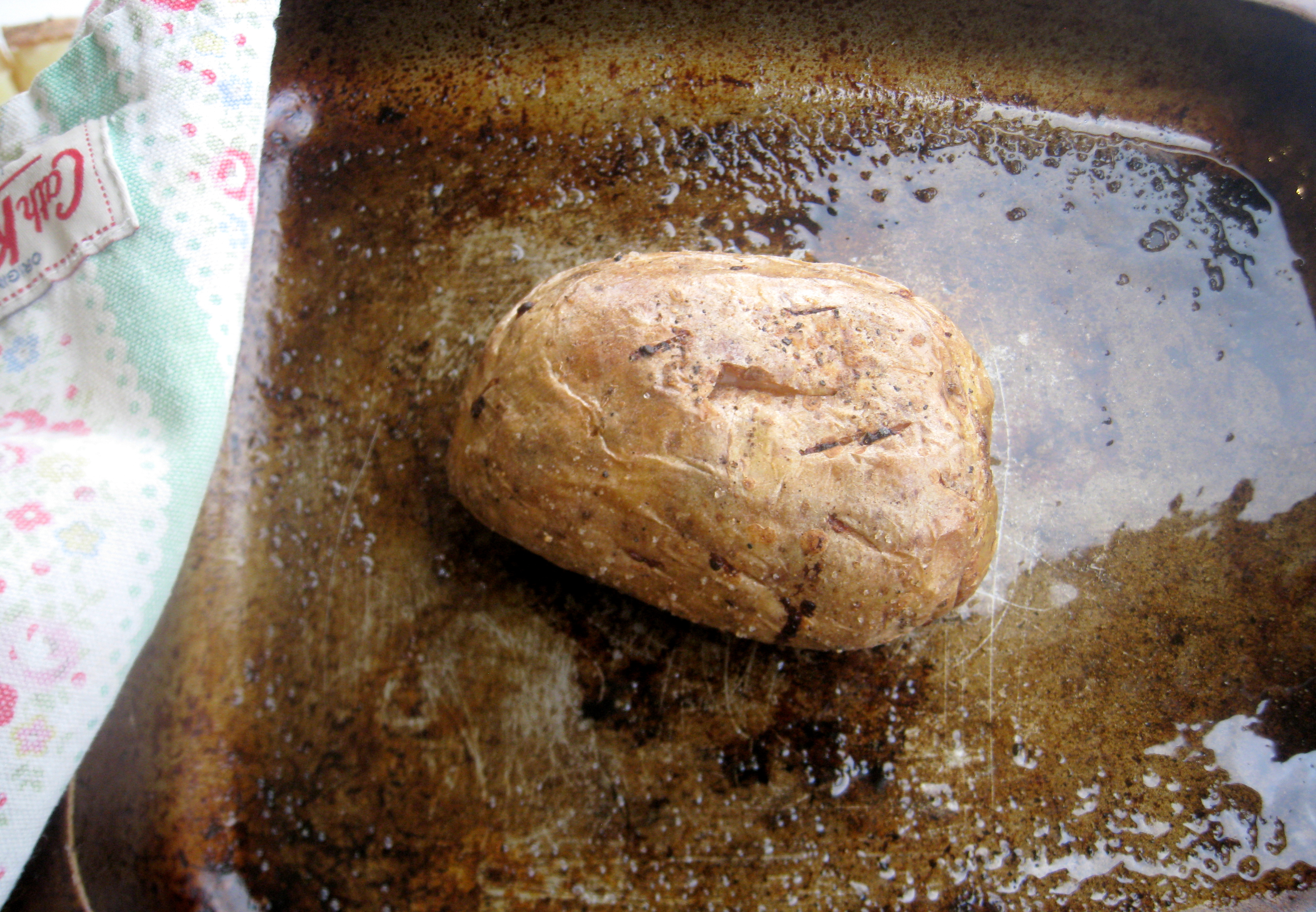
For a perfect baked potato, simply pierce the skin all over the potato, rub with oil and salt and bake at 200°C or 180°C fan for at least an hour, but maybe 1hr 30 mins, depending on size.

Rub the skin in olive oil and plenty of salt to get the skin really crisp.

Why not rub the skin with a mix of oil and cumin, or cajun spice powder for a more exotc flavour. 

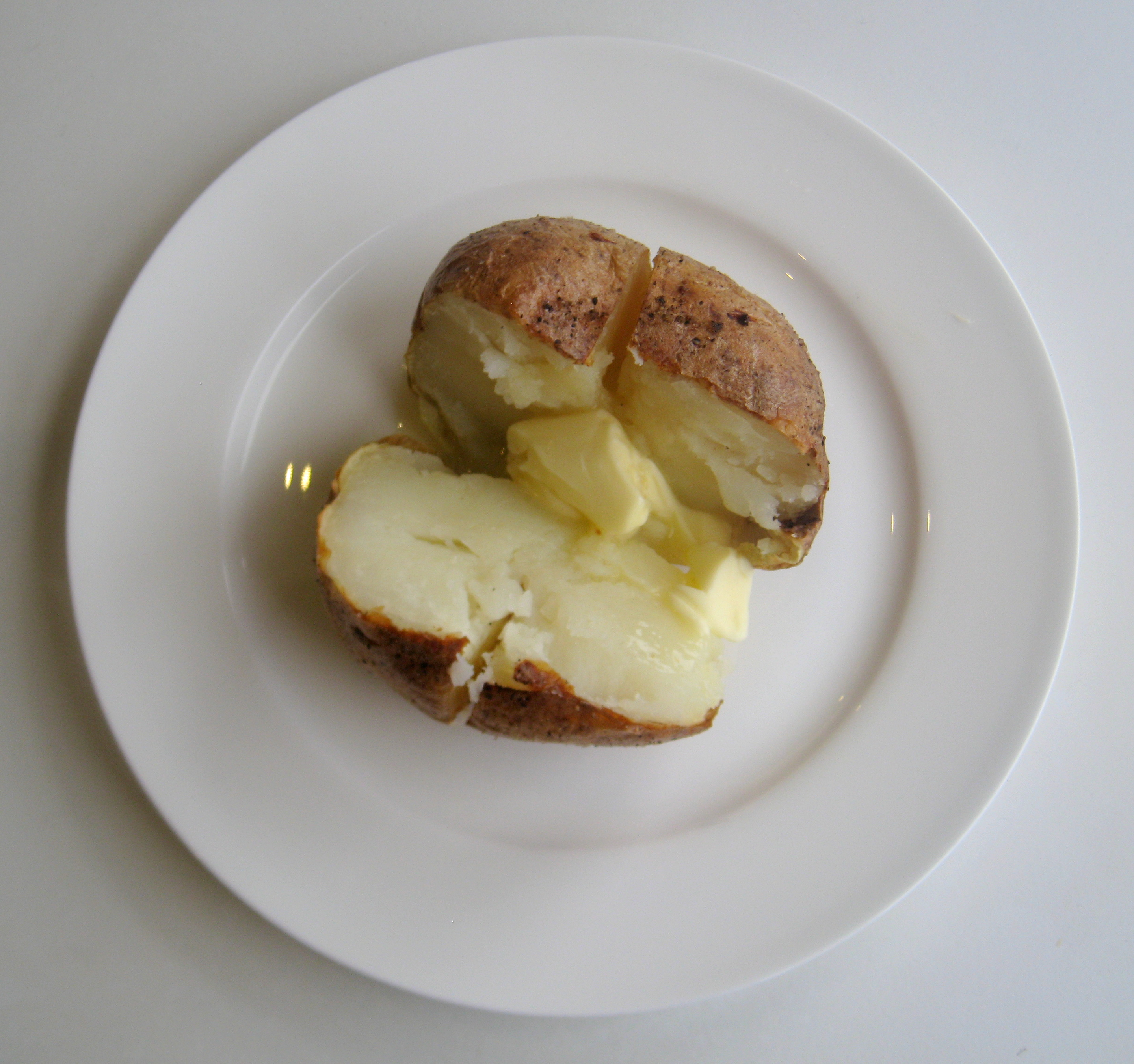
Then cut the potato down the centre and top with your favourite filling. I like leftover chilli con carne or bolognese sauce, but the best is chargrilled avocado and poached eggs.

What tops your?

What tops yours?

Poached Eggs on Cheesy Potato Cakes.

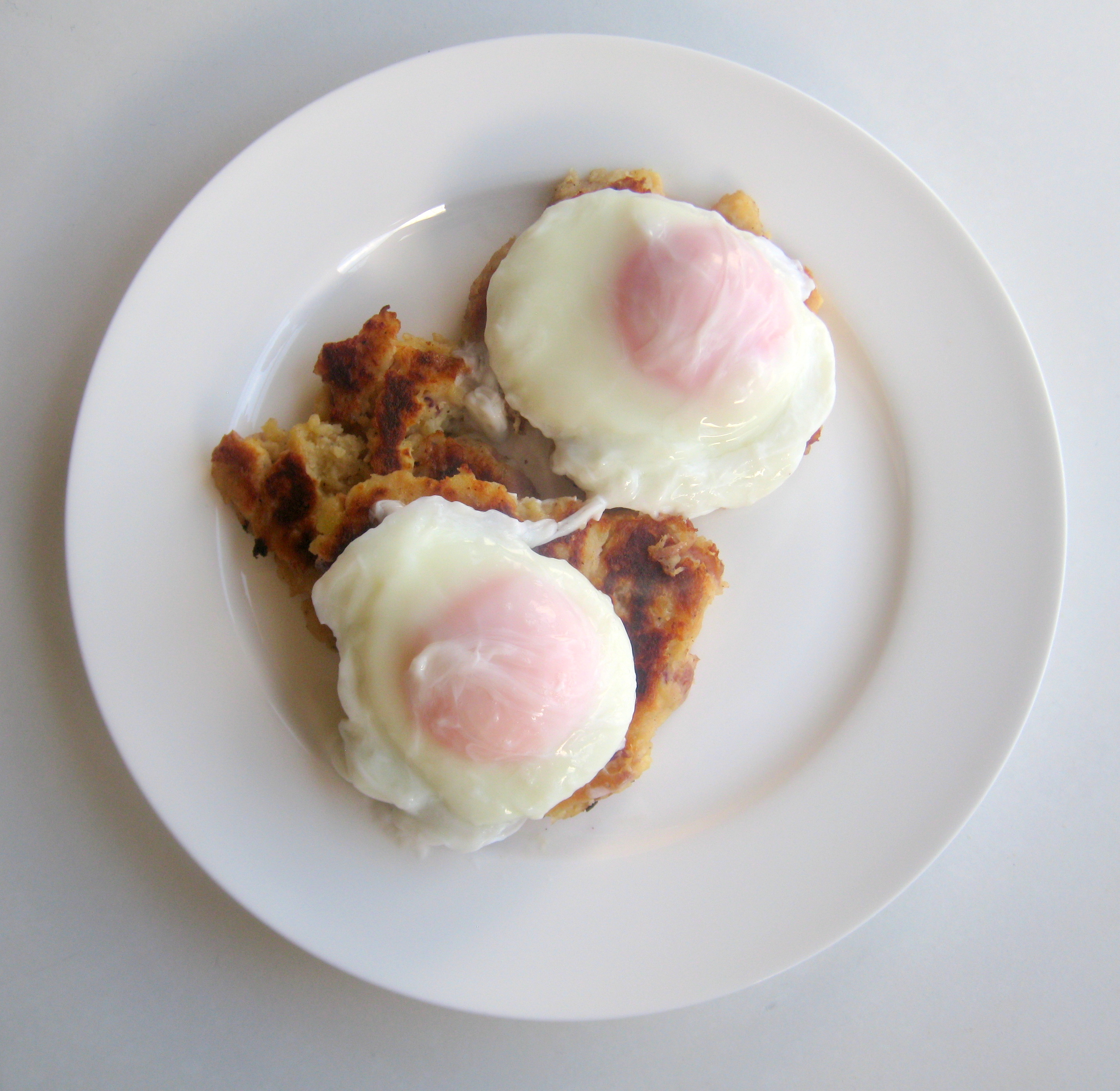
A simple breakfast that keeps you full and is a definite treat. I like to spend a little extra time on breakfast over the weekends; I don’t want to eat the same old yogurt or cereal all the time. I like to wake up on a saturday morning and spend that lie-in time dozing and plotting breakfast. Today, I came up with this savoury dish: poached eggs on potato cakes.

Try adding avocado with chili to this dish for a spicy breakfast.

Try adding avocado with chili to this dish for a spicy breakfast.

I started by mashing some leftover new potatoes (you can easily use leftover regular mash, but this is what I had), then I mixed the mash with some grated cheddar and some grated red onion; you could use chopped chives instead of the onion, it would look nicer and be quicker. Add some salt and pepper and enough beaten egg to bind it together, and you’re ready to start frying. Heat a nonstick frying pan and add a blob of butter; once the butter is frothing and melted, spoon dollops of the potato mix into the pan and flatten with the back of a spoon. When it is golden brown on one side, flip it over and cook the other side. Then you’re done.

Top with poached eggs for a comforting, savoury, filling breakfast that just screams “weekend!”: you get started on the mash, I’ll go make another pot of coffee…

Gluten-free Gnocchi.

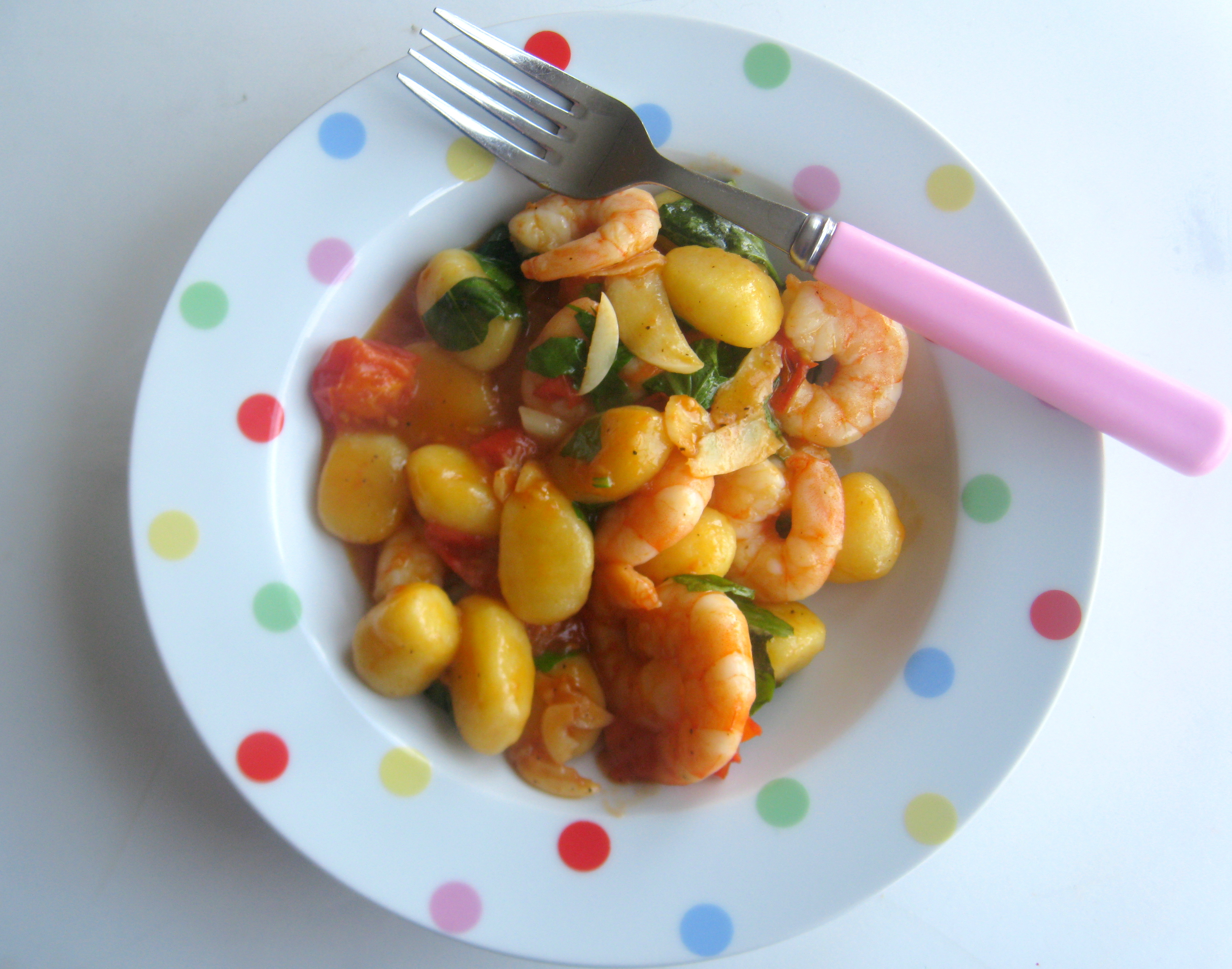
I’m really liking this gluten-free gnocchi that I found in my local butcher/deli.  Gnocchi is made with potato anyway, so there isn’t a huge difference in texture between this and normal gnocchi.

I used this gnocchi to make a quick lunch: I simply fried some garlic and four cherry tomatoes, halved, in a tablespoon of olive oil.  The tomatoes will soften and mush down to create a small amount of sauce.  Then I added about five prawns and some seasoning, frying on a low-medium heat until the prawns were cooked through and pink.  Once the gnocchi was cooked (this takes about 2 minutes) I added it to the prawns with some fresh basil and a drizzle of extra virgin olive oil.  I cooked the gnocchi with the prawns and tomato sauce for 30 seconds before piling onto a plate.

IMG_2441

This is so fast and filling, and packed with fresh Italian flavours.  Enjoy!

Polenta.

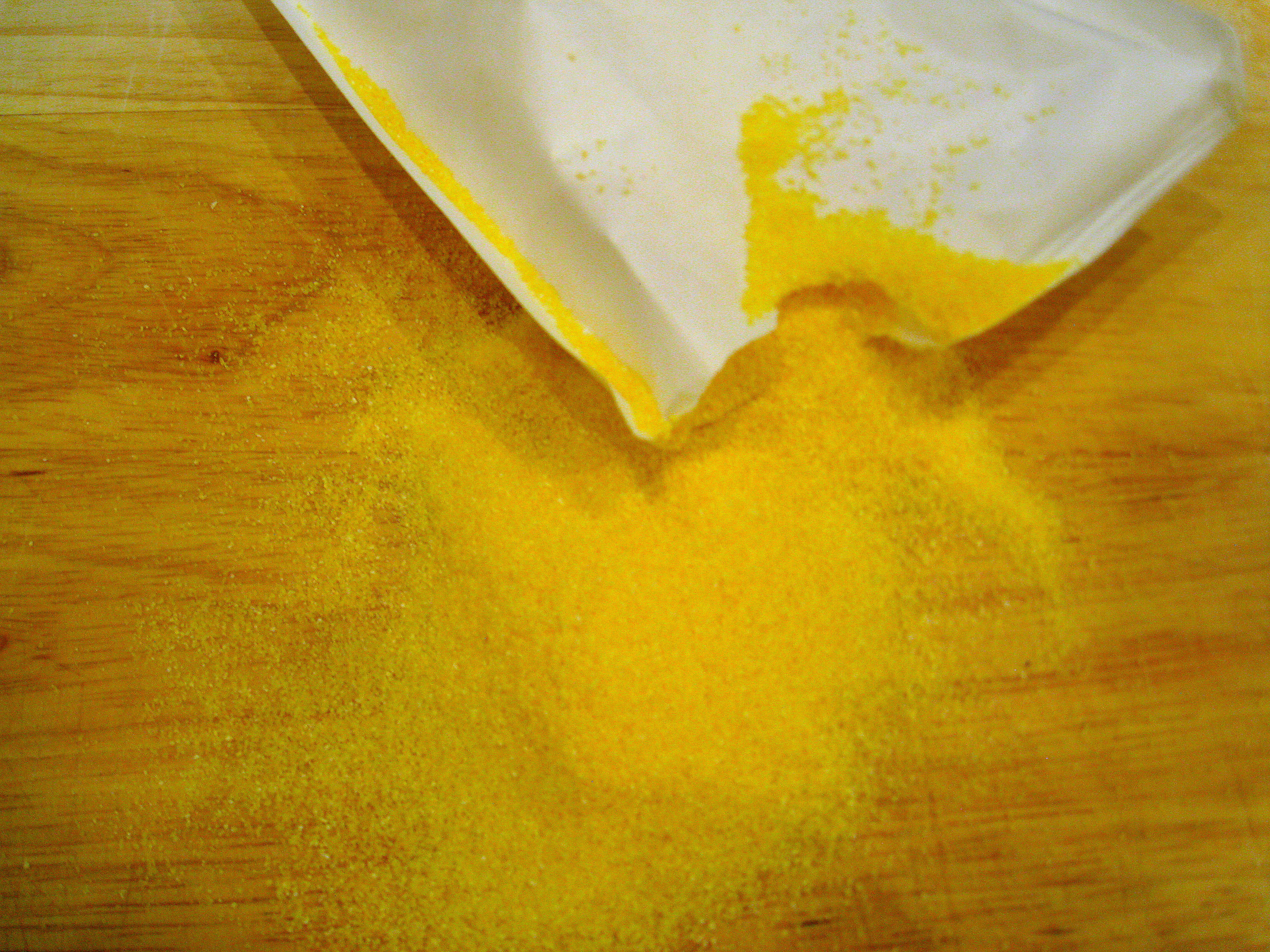
Polenta is an excellent gluten-free alternative to bread crumbs; it has a lot more flavour, too.

IMG_2436

Try butterflying a chicken breast (or bashing it with a rolling pin until it’s evenly flattened) before coating it in lightly beaten egg.  Then mix a few handfuls of fine polenta with some finely grated Parmesan cheese and plenty of chopped parsley (you could whizz the cheese and parsley in a food processor and then mix with the polenta).  Use this cheesy crumb to coat the chicken, before frying in olive oil for about 4 minutes a side, depending on how thin your chicken is.  The result is crunchy and golden and perfect with a simple salad and boiled new potatoes.

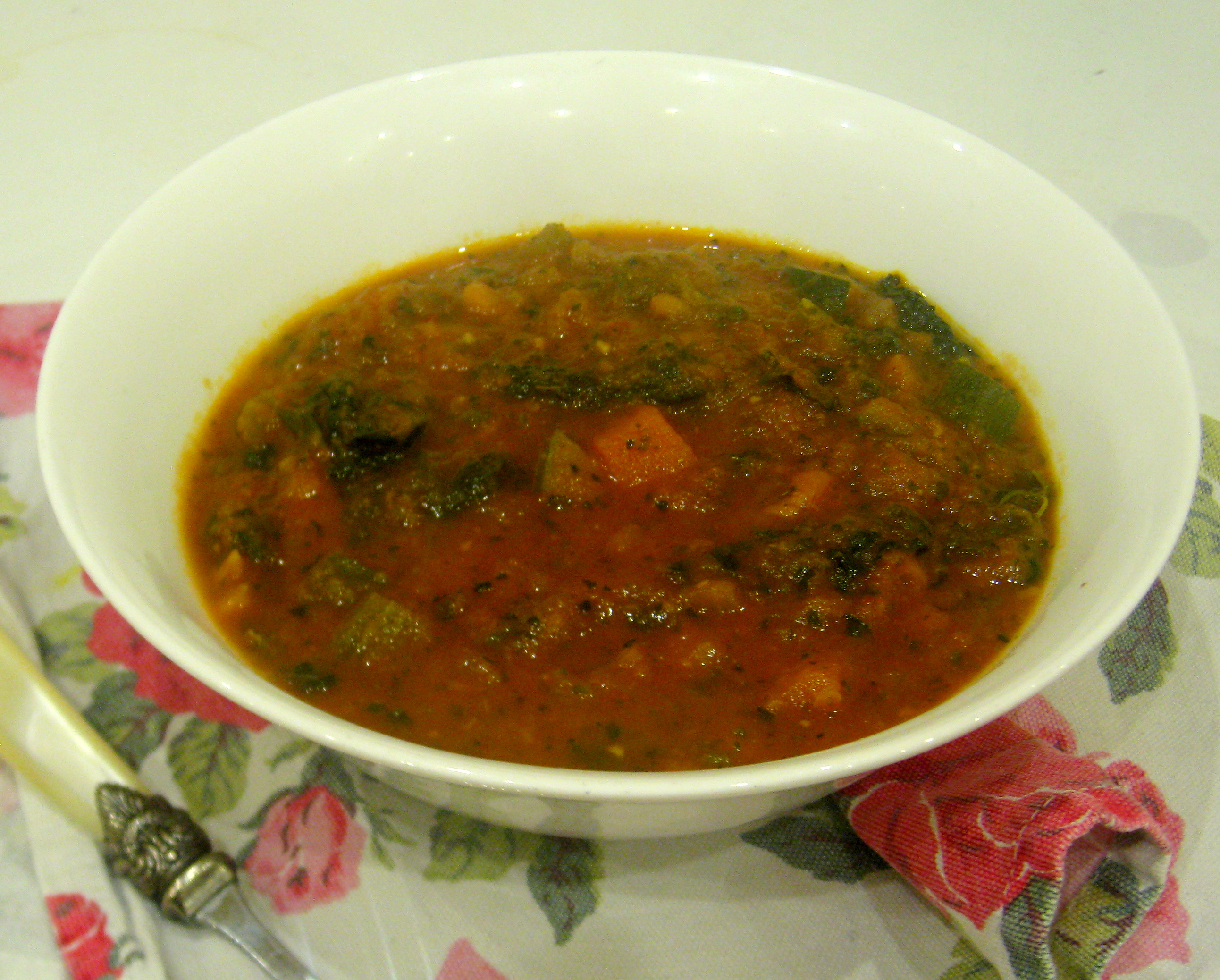
Ribollita, or Italian Vegetable Soup.

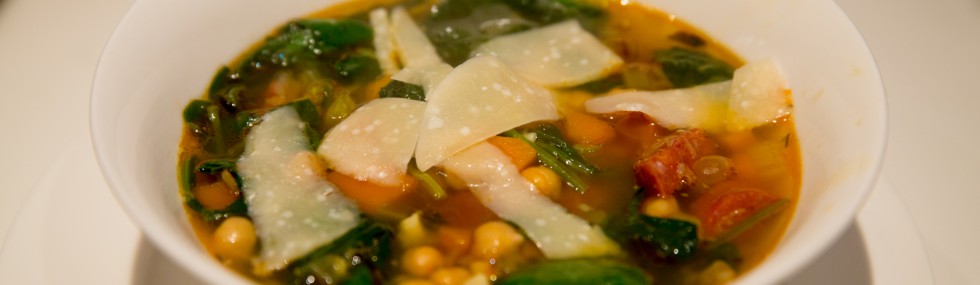
This soup makes Minestrone look like the runt of the litter.  Ribollita is the older, wiser, ruggedly handsome older brother of Minestrone.  Minestrone doesn’t stand a chance in an arm wrestle.

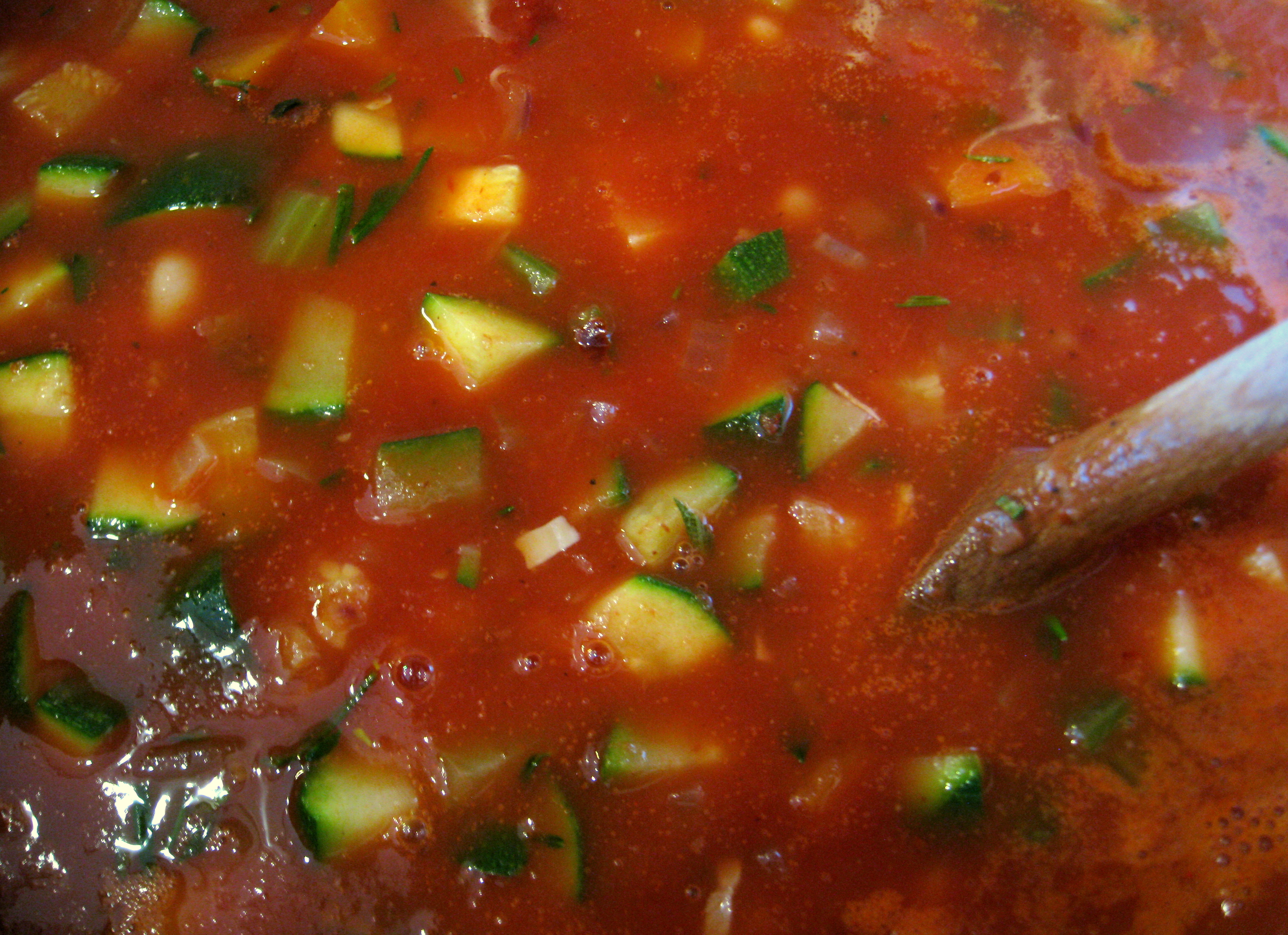
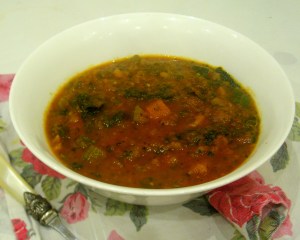
Ribollita is an Italian vegetable soup made with beans and, happily for me, no pasta.  It’s a great gluten-free meal because it doesn’t feel gluten-free, it just is.  In fact, I’ve been making this soup for a while now, long before I knew I was coeliac; in fact I got the recipe from one of the first non-baking recipe books I ever owned.  Just before, or shortly after, I started university my Mum gave me this little recipe book, called Hearty Soups (I’ve just had a look on Amazon and it seems you can only buy it in America, which is annoying, but it’s only one cent) and, though I’ve tried some of the other recipes, it’s the one for Robillita that I always return to.

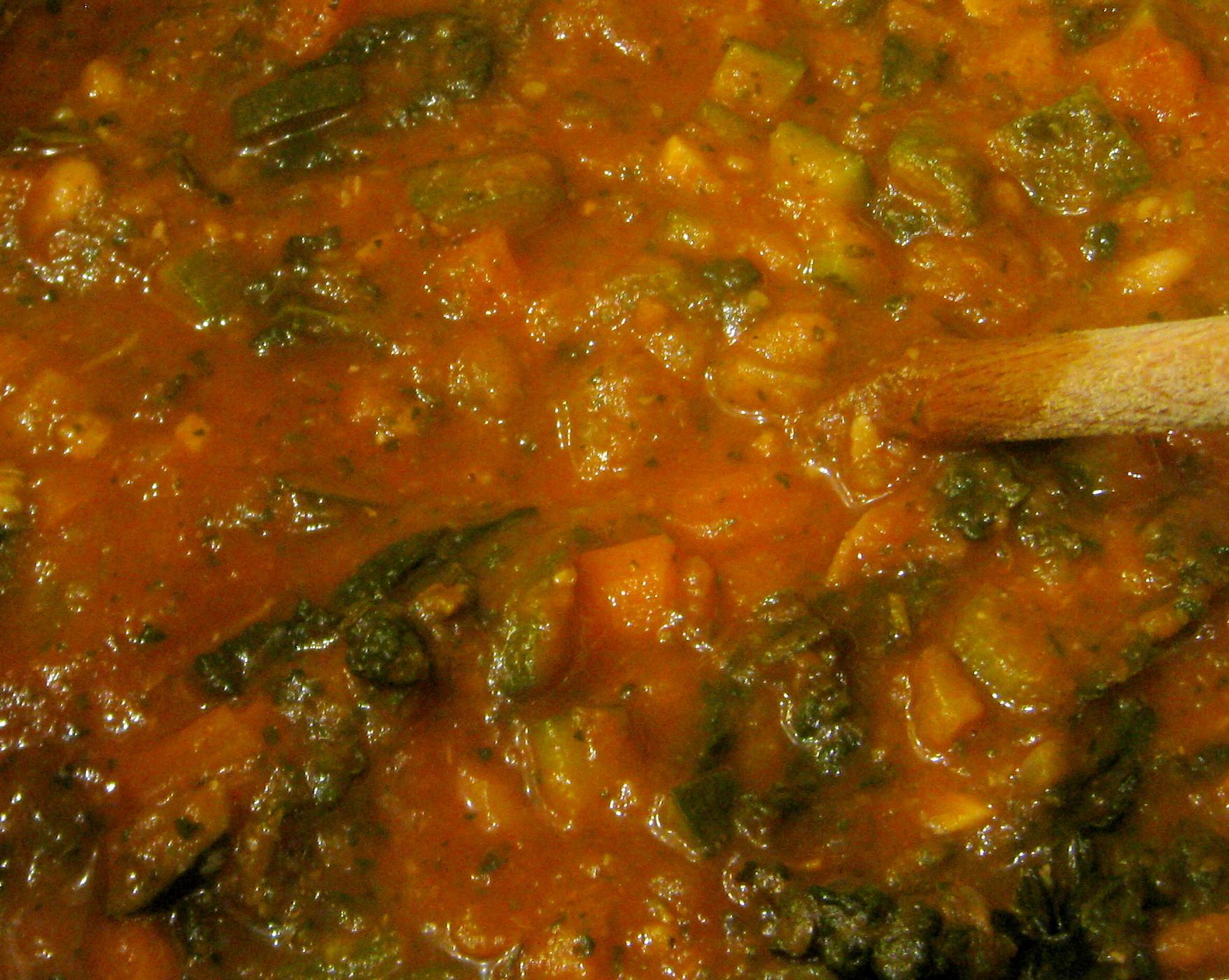
It’s hard to put into words how great this soup is, partly, I think, because it seems to be a different beast every time I make it.  As a soup, it is in it’s nature to be adaptable, allowing me to add, for example, some kale if I’m feeling the need for superfoods, or to add more beans for a thicker texture.  However, there are some things about this soup which are always the same: the intense sweetness of the vegetables, particularly the carrots, that have been cooked slowly for a long time; the deeply appealing savouriness which comes from adding a Parmesan rind; the surprising heat from the chilli flakes, which I always forget that I’ve added.  And then, the texture, which is, for me, the reason why this soup is so superior to Minestrone (which will forever be, in my mind, the fake red, canned tomato flavoured water with floating “pasta” and one cube of courgette, that passed itself off as soup in the school canteen): Ribollita is thickened by pureeing a couple of ladles of soup (brilliant, actually, for coeliacs, as it means you don’t have to thicken with flour) which somehow makes me feel like I am eating an ancient food, something that has been made and eaten for centuries and not changed.

This soup is definitely better if cooked the day before you wish to eat it but this is not obligatory.  Do try to give it as much time as you can though: this is a slow cook and you have to embrace it.  If you try to rush it, you’ll get annoyed and it won’t taste nice.  So make it on a Sunday and reheat it on Monday night when you need some comforting (and then take it as lunch for the next few days: this recipe make a lot).  If you love it, it will love you right back.
IMG_2409

To serve 6:

1 onion, chopped

1 carrot, chopped

4 celery sticks, chopped

1 leek, chopped

3 courgettes, chopped

4 garlic cloves, crushed/chopped

1 tsp chilli flakes

3 sprigs worth of rosemary, leaves removed from stalks, chopped

3 sprigs of thyme, leaves removed from stalks

1 jar tomato passata (usually about 500ml)

2 knorr chicken stock pots (gluten-free, which is why I use them)

2 cans cannellini beans, drained and rinsed well

1 Parmesan rind

1 bag of cavolo nero, stalks removed then chopped/torn

1 bag of kale, stalks removed then chopped/torn (optional)

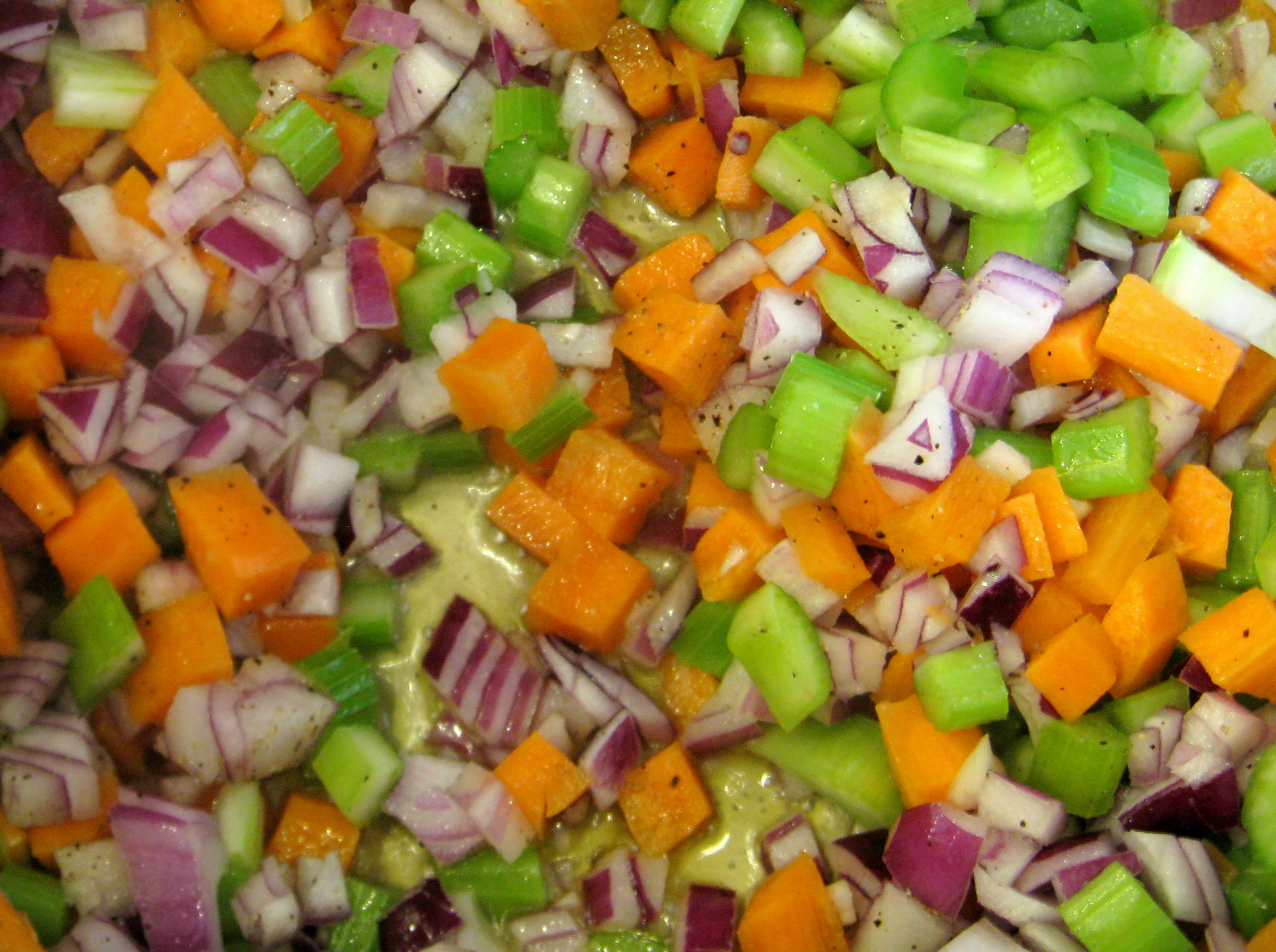
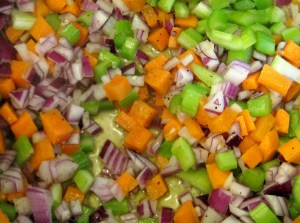
Start by heating some olive oil in a very large sauce or stock pan.  On a medium-low heat, cook the chopped onion, carrot and celery for about 5 minutes.
IMG_2359

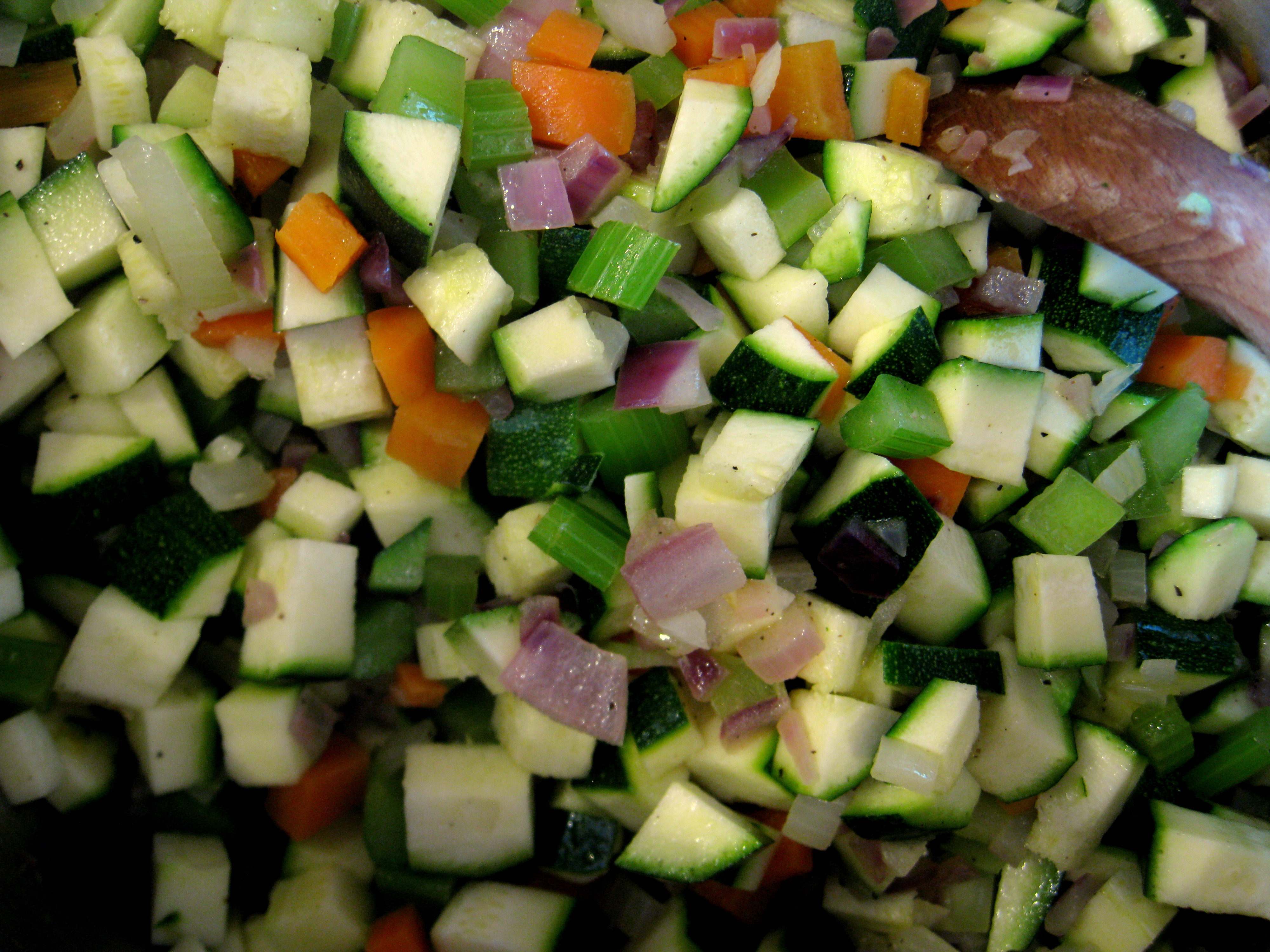
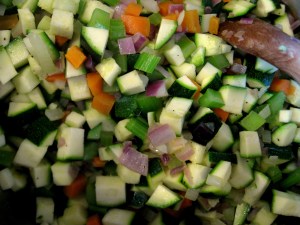
Then add the chopped courgette and leek.  Cook for 5 minutes.
IMG_2365

Add the chopped garlic, chilli and chopped herbs (you could also use chopped sage) and fry on a medium-high heat for a few minutes, stirring to prevent anything from catching on the bottom of the pan.

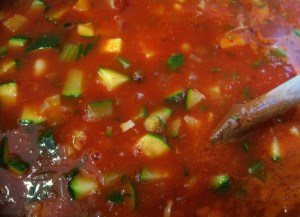
Add the tomato passata, the stock pots (you can also use vegetable stock) and the drained and rinsed beans.  Fill the tomato passata jar with cold water and empty it into the soup, so as the vegetables and beans are well covered.
IMG_2370

Add the Parmesan rind.

Bring to the boil, then reduce the heat and simmer for 1hr 30mins, at least.

Turn off the soup and allow to cool.  Then either mash or puree, in a food processor, 3 ladles worth of soup; return the puree to the rest of the soup and stir to combine.

Reheat the soup and add the cavolo nero and kale, if using.  Allow to cook for 1hr.  Turn off and reheat when needed.

IMG_2406

NB: there’s a lot of stock in this soup, plus a Parmesan rind so go easy on the salt.  I wouldn’t add salt until near the end of cooking, once you’ve tasted the salt to confirm it needs it.
Courgette and Bacon Pasta… Without the Pasta.

Having just returned from a post-Christmas, pre-January-panic holiday in Paris, I’m feeling a little starved of vegetables.  They don’t really serve vegetables as part of a main dish there, nor can you order vegetables as a side dish (or maybe you can but it’s not on the menu), so after three days and four nights of eating omelettes, roast meat and mashed potatoes, Sebastian and I have been feeling a little heavy.  Inevitably, my diet whilst in Paris was less varied than it would be home; rather than trying to explain what coeliac disease is to every blank -faced waiter, I opted to use my chef training and general restaurant-going experience to make educated guesses about the potential wheat content of my potential dinner (I chose roasted meat instead of anything pan fried which might have been coated in flour first; chose the salmon tartar instead of the fish bisque, a jus rather than a thickened sauce, etc).  This went well, but it did mean that I ate a lot of salmon sashimi at lunch times (Paris: great place for sushi… Who knew?) and a lot of red meat at dinner and not much else.

I returned a couple of days ago, at dinner time. Of course, the fridge was devoid of food so I nipped out to the shops to buy something I could make quickly.  Before, I would’ve immediately opted for pasta, which is obviously off the menu now.  I was thinking wistfully about my courgette and bacon pasta dish as I stood in the grocers staring at kale, when it occurred to me that this celebrity vegetable, crisped in the oven, would be a great replacement for pasta, in this instance anyway.

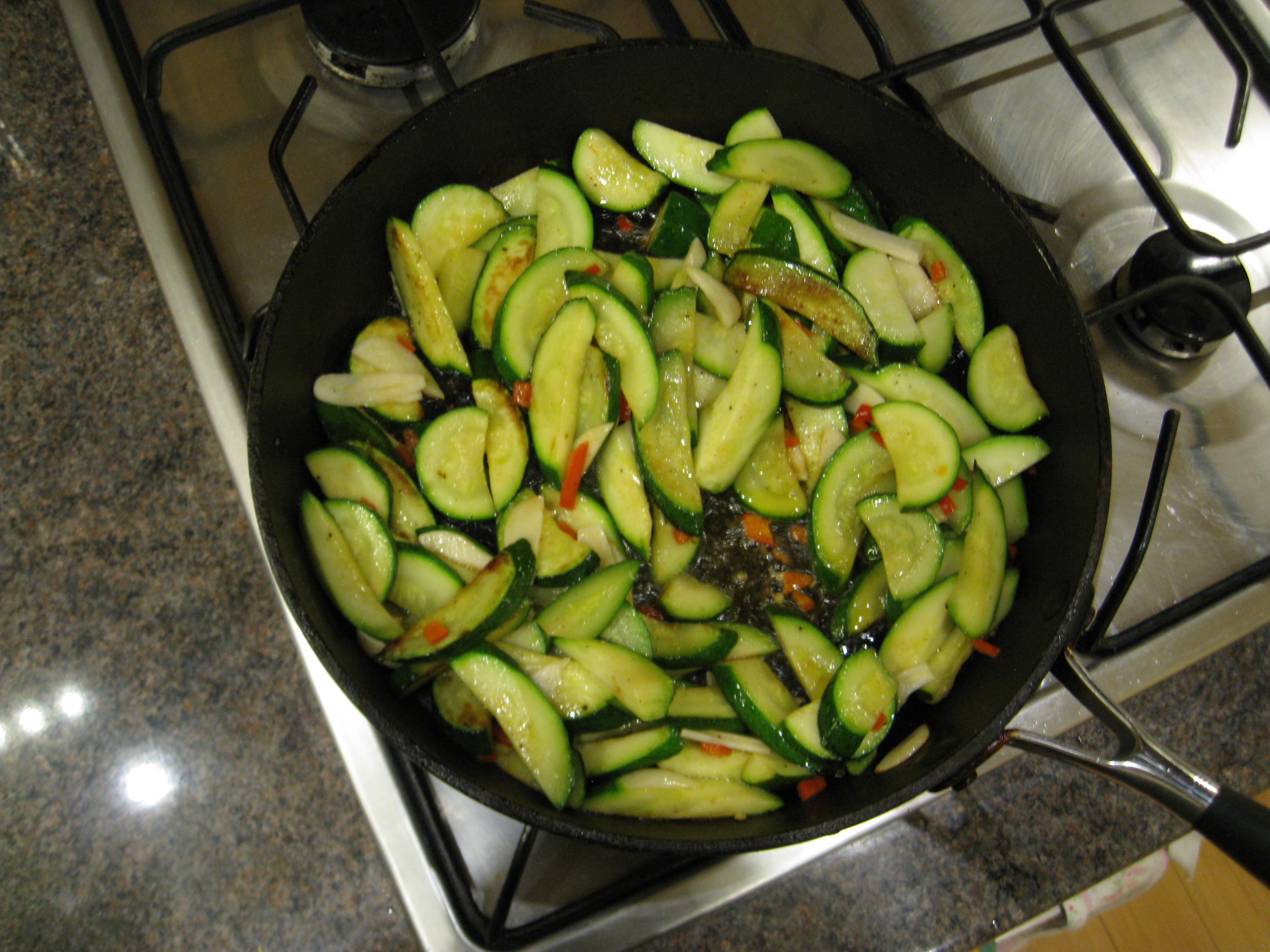
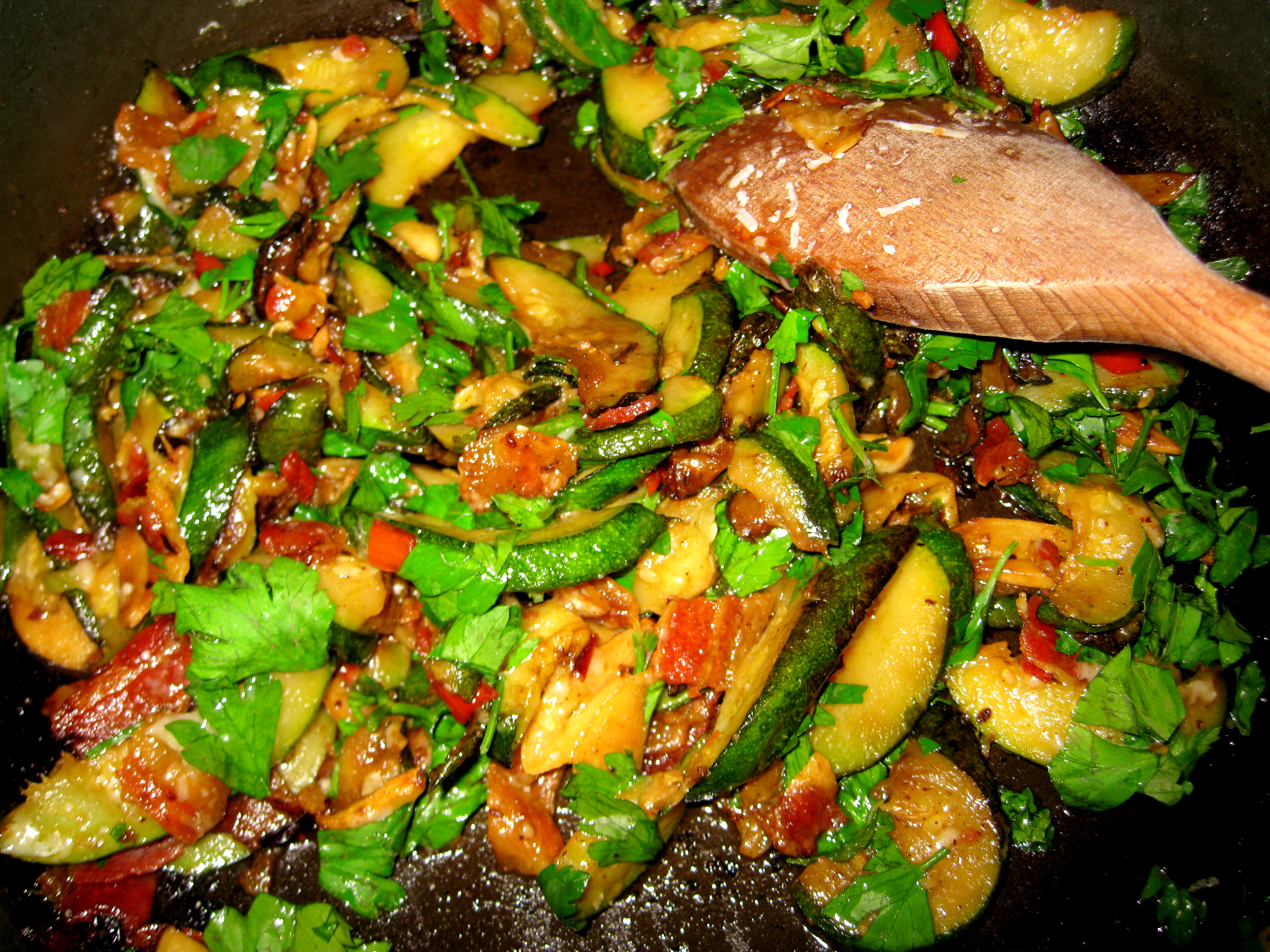
And I was right!  I’d bought extra courgettes (about four large ones) than I usually would but otherwise the quantities stayed exactly the same as they would have been were I making it as a pasta dish with actual pasta (so feel free to ignore the kale part and use corn pasta or whatever in it’s place).  First I fried six rashers of streaky bacon on a very low heat: this is how you get it to go really crispy.  Once they were dark brown and dramatically shrunken I drained the rashers on kitchen roll.  I turned up the heat on my frying pan a little and fried about four cloves of sliced garlic and half a chopped, fresh, red chilli (you can use more or less chilli depending on your tastes) until the garlic just started to colour.  Then I added my courgettes which I had washed, halved lengthways and sliced into semi-circles.

IMG_2309

I fired the courgettes on a high heat until they were cooked through and golden brown.

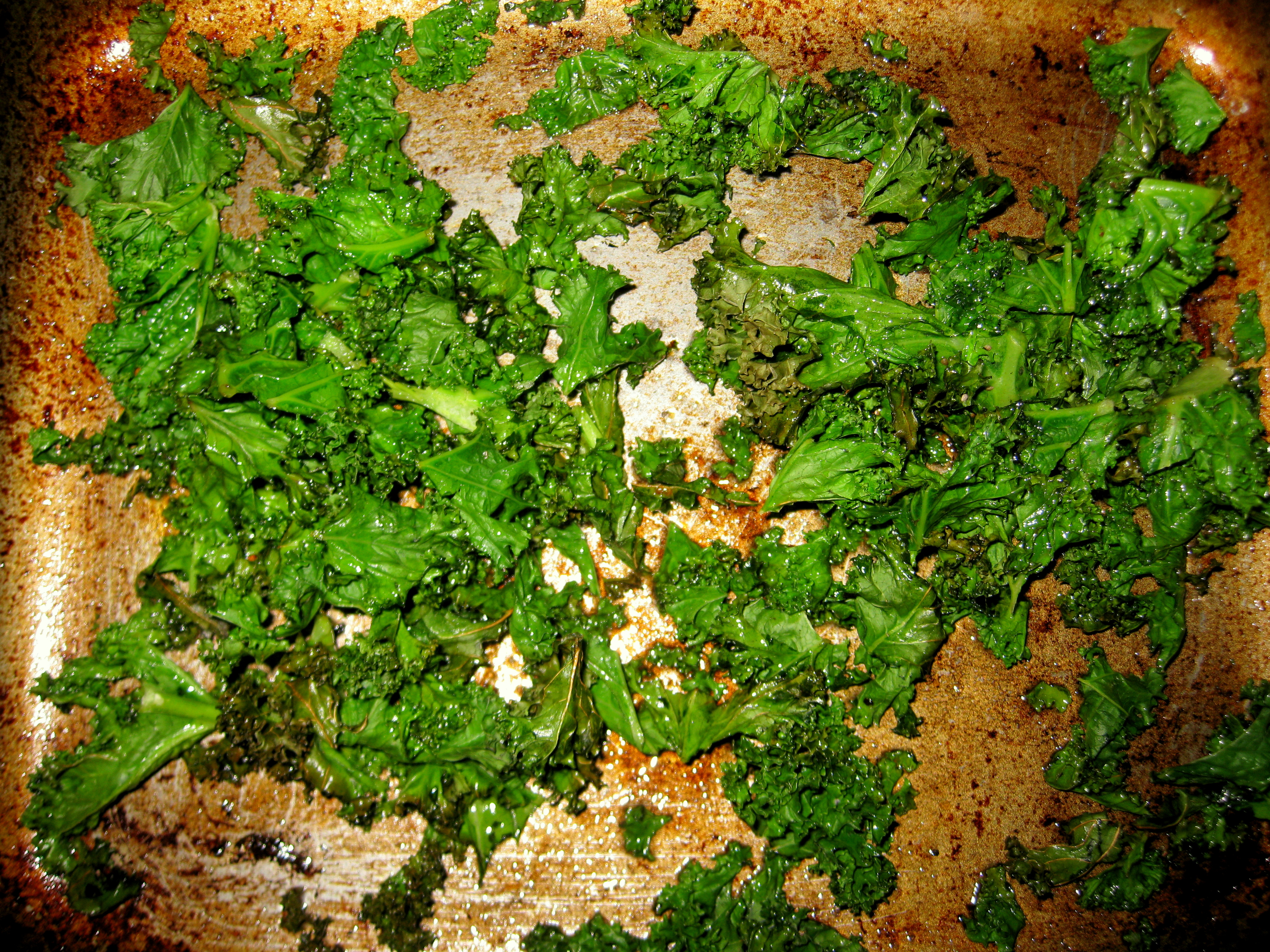
Then to the kale:  I spread the kale out evenly in a large roasting pan (if you pile it in, it was go soft, not crispy) and lightly drizzled olive oil over it with plenty of salt and pepper.  I cooked the kale for literally three minutes in an oven heated to 180°C.  And this is what I got…

IMG_2314

So that was it.  I added lots of freshly grated Parmesan and the crispy bacon to the courgettes and then topped my bowl of kale with the sauce.

IMG_2319

I’d made Sebastian pasta, which was once my favourite thing, but as he sat next to me, enjoying his supper, I wasn’t the slightest bit jealous!  Whatever, eat your pasta, I have kale crisps and they are excellent.

Salmon and Lentils.

I’ve started cooking with lentils quite a lot lately.  In the interest of speed, I’ve been using pre-cooked lentils from a can (you can also get fancy puy lentils in sachets) which makes life really easy.  I always think of lentils as one of those ingredients that belong in dishes that have been cooked for a very long time, slowly; delicious, French bistro style dishes that I have neither the time nor the inclination to make myself (though I’m more than happy to eat them).  But canned lentils mean that you can have the flavours and experience of a slow-cooked stew almost instantly.  And lentils are perfect as part of a gluten-free diet: high in protein and low in fat they are both filling and comforting, and, despite the bad press they get, they can be really delicious.

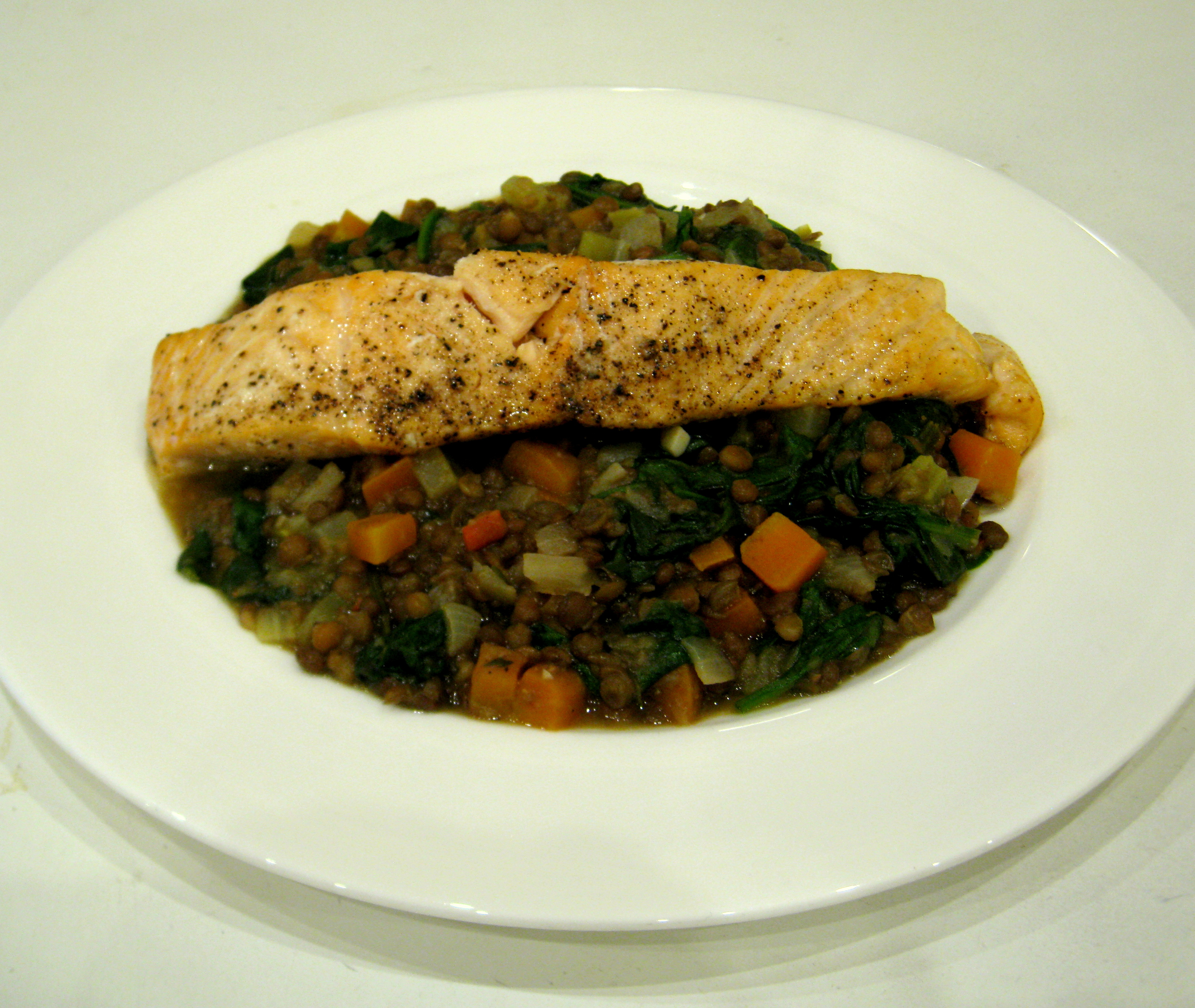
Bored of my typical accompaniments to salmon and desperate for something that felt a bit carby (I am really starting to crave bread and spaghetti and pastry and cake…) I settled on lentils for supper.  My mum makes the best lentil dish, with red wine and balsamic vinegar, but I couldn’t remember how to make it, and I wanted something a bit lighter to go with my simply roasted salmon.

IMG_2327

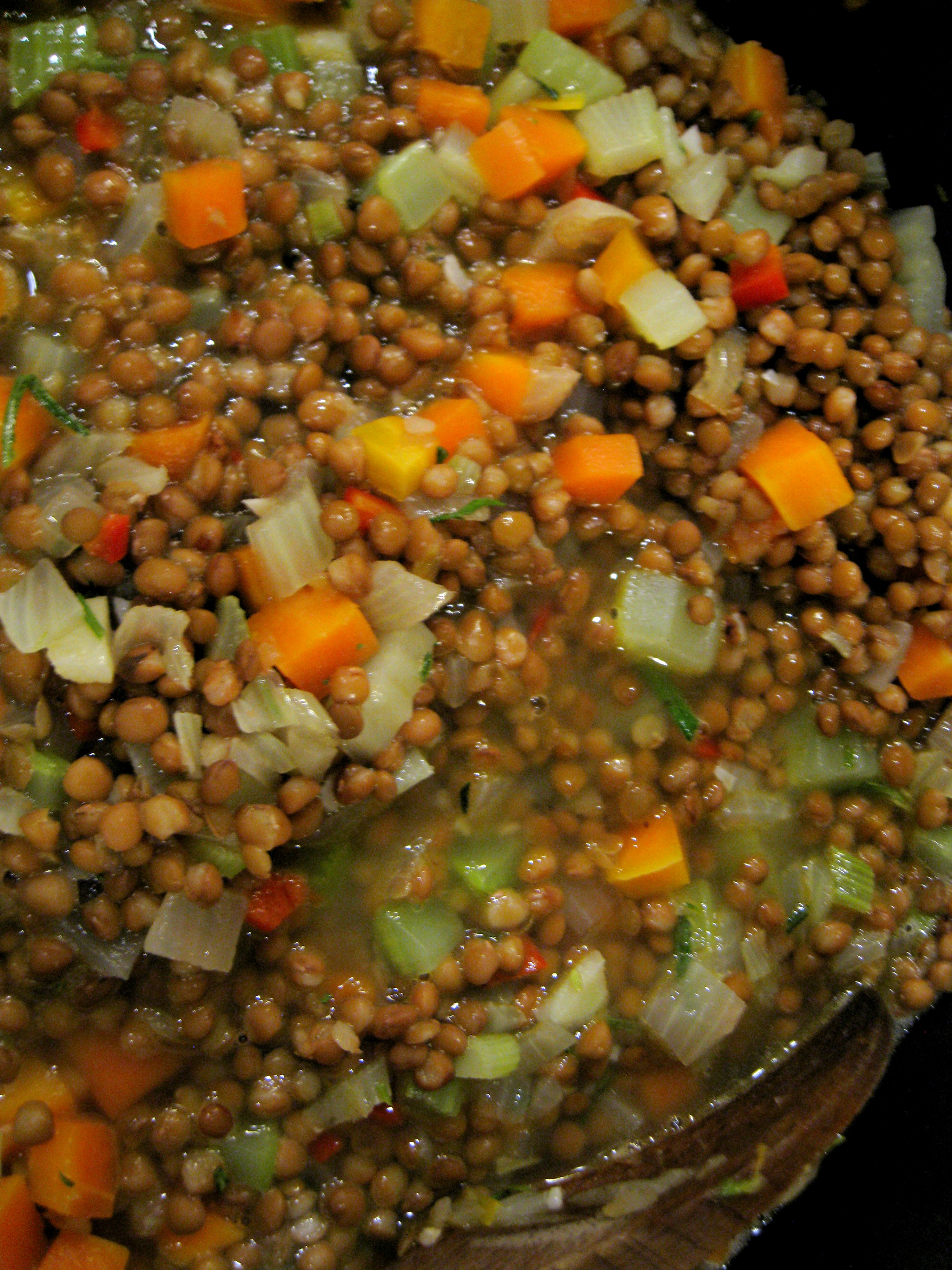
I started by dicing a carrot, two celery sticks, a white onion, garlic and half a fresh chilli.  Then I sauteed the veg in a casserole pan until they had started to soften.  Once I’d done that I added a generous splash of white wine and let the alcohol bubble off a little before adding two cans of drained and rinsed green lentils.  I added enough chicken stock to just cover the lentils, then brought the dish to the boil and simmered for about 15 minutes.  Finally, I added a whole bag of baby spinach: I put a lid on the pan and let the steam from the lentils wilt the spinach leaves.  One final stir and a check for seasoning and my supper was ready.  I served the lentils with some salmon, which I bought from my fishmonger (roasted for about 13 minutes at 180ºC fan) but the lentils would go nicely with lots of other kinds of fish, like monkfish or trout.

IMG_2333

This dish was simple and quick and definitely not dull!  Lump me in the the lentil-bashing vegetarians if you want to (although I certainly won’t be having nut roast for Christmas) but I think lentils may well be the rising stars of my coeliac suppers.

Lunchtime Tuna Salad.

IMG_2297

One of the issues with being coeliac, I’ve found, is what to do for a work day lunch.  Before I was diagnosed I wouldn’t even think about my lunch until I was about to make it; I’d just make some scrambled eggs on toast or some mashed avocado on toast or whatever on toast.  But, no more.  Now, every evening I must plan what I’m going to bring to work for lunch the next day.  Although I work in a cafe, I can’t risk making my food there because we prepare a lot of sandwiches and, or course, I do a lot of baking, so the risk of contaminating my food with wheat flour or bread would be too high.  Usually I bring in leftovers, which is simple enough, but what about those days when you’ve gone out for supper, got a takeaway or been to a friend’s house?  Whatever it is has to be filling, and keep me full for a while (being a hungry coeliac in a sandwich shop is a little like being lost at sea… water, water everywhere…) and I believe I’ve got just the thing: a simple, healthy, tuna and bean salad.

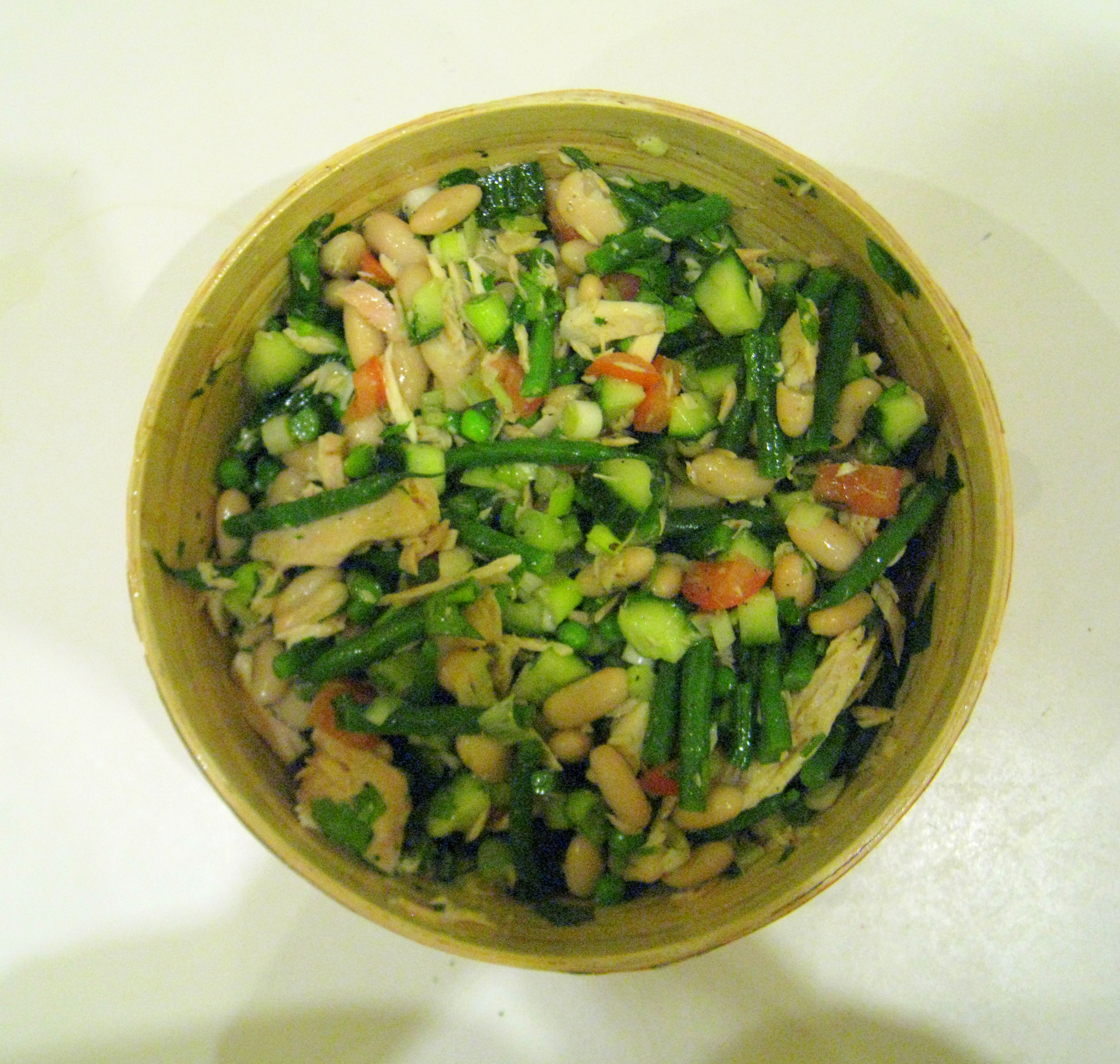
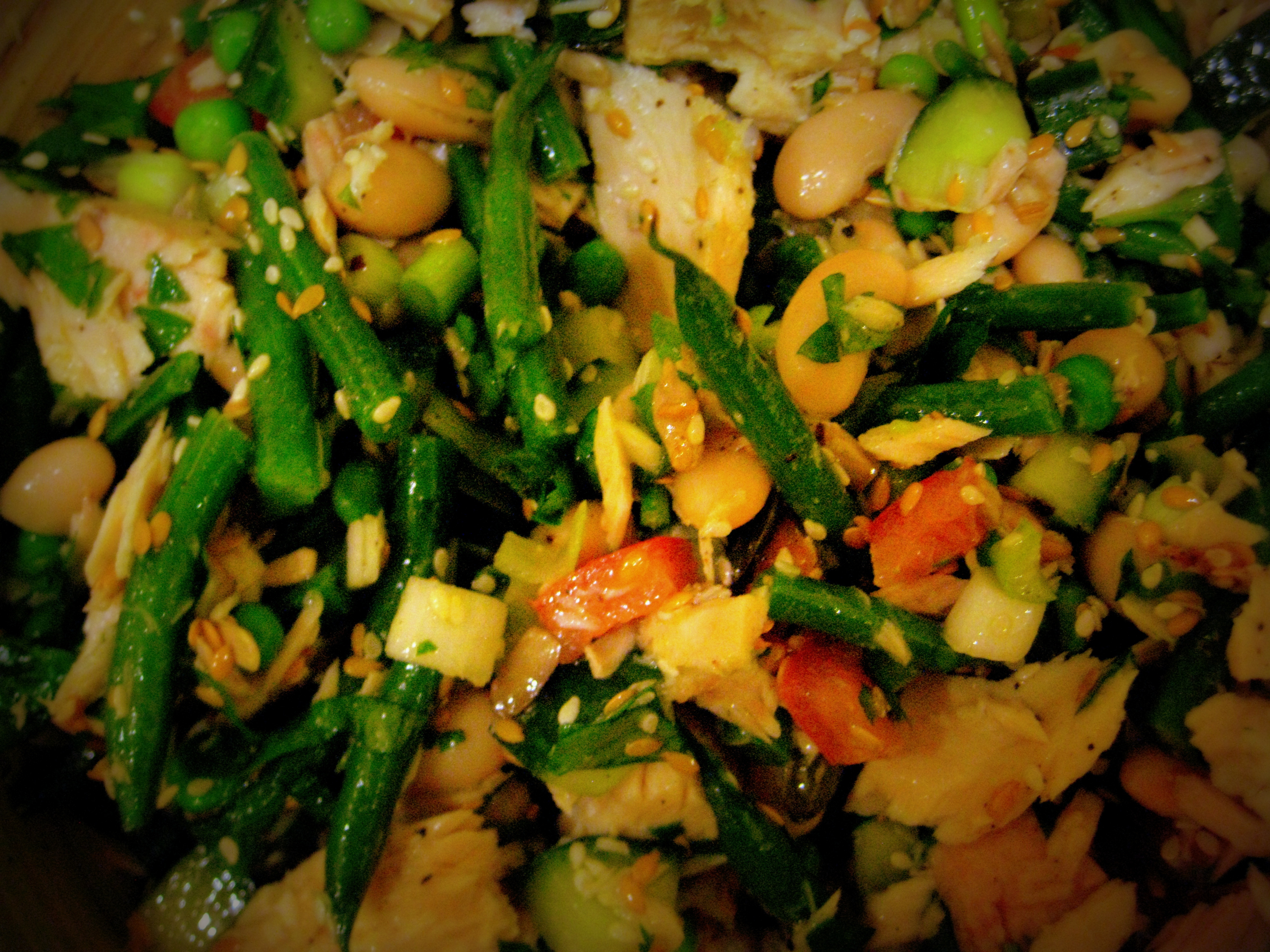
I started with some really nice canned tuna, not the kind that smells like cat food, and some cannellini beans, although you could use any kind of canned bean you like (butter beans, flageolet, kidney beans, etc).  After that it was really a matter of what I could find in the fridge that would be appropriate: I had some green beans, which I cut into thirds and boiled for about 3 minutes before draining and running under cold water, and some spring onions, a tomato and some cucumber.  I chopped up all the veg and mixed it up with the beans and tuna.  Finally, I added some chopped parsley, some defrosted peas, salt, pepper, garlic olive oil, lemon juice and a sprinkle of mixed seeds.  Job done.

This literally took me ten minutes.  And it made loads so now I have lunch for three days, easily, unless my boyfriend gets his hands on it.  That’s the other great thing about this sort of gluten-free cooking: it doesn’t feel gluten-free, like a gluten-free sandwich or gluten-free pasta would, so everyone in the house can enjoy it.  It is delicious, healthy and also happens not to contain wheat.  It certainly ticks all my boxes!

IMG_2303